
































Exploring the Benefits of Teleradiology Services for Modern Healthcare
The future of teleradiology looks incredibly promising. As telemedicine becomes more integrated into everyday healthcare, the demand for skilled teleradiologists will continue to rise. In the coming years, we can expect further innovations in automation, mobile integration, and global collaboration that will make diagnostic imaging faster, more accurate, and more accessible than ever before.
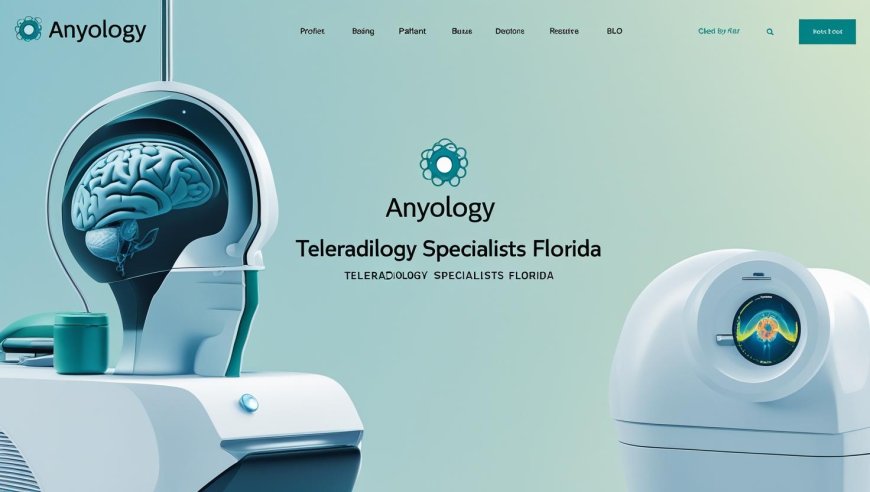
In todays fast-paced, digitally connected world, the landscape of healthcare delivery is evolving rapidly. One of the most transformative changes is the rise of teleradiology services. As technology continues to bridge geographic distances, the role of teleradiologists and teleradiology specialists has become increasingly important in providing timely, accurate diagnostic care. This modern approach is not only revolutionizing the way radiology is practiced, but its also enhancing healthcare accessibility, efficiency, and quality across the globe.
What Is Teleradiology?
Teleradiology is the process of transmitting medical images such as X-rays, CT scans, and MRIs from one location to another for interpretation by qualified radiologists. Unlike traditional radiology, which requires the physical presence of a radiologist, teleradiology services allow medical professionals to analyze imaging data remotely. This breakthrough supports round-the-clock diagnostics and enables healthcare facilities, regardless of size or location, to tap into a global pool of radiology expertise.
The Growing Demand for Teleradiologists
The demand for teleradiologists has surged in recent years due to multiple factors:
-
Shortage of radiologists in rural and remote areas
-
Need for 24/7 imaging interpretations in emergency and trauma centers
-
Expansion of telemedicine platforms
-
Faster turnaround times for reports to support urgent clinical decisions
Because of these needs, hospitals and diagnostic centers are increasingly partnering with teleradiology specialists to streamline workflows and ensure patients receive timely, expert care.
Key Benefits of Teleradiology Services
1. Improved Access to Expertise
One of the most significant advantages of teleradiology services is access to highly qualified teleradiology specialists regardless of geographical boundaries. Smaller hospitals and rural clinics that may lack full-time radiologists can now obtain professional interpretations from board-certified teleradiologists, ensuring patients get the same level of diagnostic accuracy as those in metropolitan areas.
2. Faster Turnaround Times
In medical emergencies, time is critical. Traditional radiology setups often face delays due to staffing limitations or time zone constraints. With teleradiology, imaging scans can be reviewed within minutes by available teleradiologists, ensuring clinicians receive timely reports to proceed with treatment without unnecessary delays.
3. 24/7 Radiology Coverage
Many healthcare facilities struggle to provide 24/7 radiology support, especially at night or during holidays. Teleradiology services enable hospitals to provide uninterrupted diagnostic services through night-hawk or emergency coverage models. This constant availability boosts patient outcomes and reduces hospital stays.
4. Cost Efficiency for Healthcare Providers
Hiring and retaining full-time, in-house radiologists can be expensive, especially for small and medium-sized facilities. Teleradiology specialists offer a more cost-effective solution by working on-demand, allowing hospitals to save on overhead costs such as salaries, benefits, and infrastructure.
5. Support During Radiologist Shortages
Many countries are currently facing a shortage of trained radiologists. Teleradiology helps fill this gap by allowing one radiologist to serve multiple facilities from a central or remote location. This flexibility makes it easier for hospitals to handle high volumes without compromising quality.
6. Enhanced Collaboration and Second Opinions
Teleradiology platforms are designed to support seamless collaboration among healthcare teams. Physicians can easily share images and reports with multiple teleradiology specialists to obtain second opinions, ensuring accurate diagnoses and well-informed treatment plans.
7. Better Patient Satisfaction
With reduced wait times, faster diagnosis, and improved access to expert care, patients benefit directly from teleradiology services. Whether theyre in a major city or a rural village, they receive the same high standard of care, which contributes to higher satisfaction and trust in the healthcare system.
Applications Across Medical Disciplines
Teleradiology is not limited to any single specialty. It supports various branches of medicine, including:
-
Emergency Medicine: Rapid image interpretations to support trauma cases
-
Oncology: Monitoring tumor progression and treatment response
-
Orthopedics: Diagnosing fractures and musculoskeletal disorders
-
Neurology: Analyzing brain scans for stroke or injury
-
Pediatrics: Specialized interpretations for childrens imaging
This versatility makes teleradiology specialists essential contributors to multidisciplinary healthcare teams.
Security and Compliance
A common concern surrounding teleradiology is the protection of patient data. Reputable teleradiology services use advanced encryption, secure cloud platforms, and comply with healthcare regulations such as HIPAA (Health Insurance Portability and Accountability Act) to ensure that patient data is protected during transmission and storage.
The Role of Technology in Teleradiology
Technological advancements such as AI integration, cloud computing, and high-speed data transmission are fueling the growth of teleradiology services. Many platforms now incorporate AI-powered tools to assist teleradiologists in detecting abnormalities like fractures, tumors, or internal bleeding with greater speed and accuracy. However, human expertise remains irreplaceable, and AI is used as a complementnot a substitutefor the diagnostic skills of experienced teleradiology specialists.
Future Outlook
The future of teleradiology looks incredibly promising. As telemedicine becomes more integrated into everyday healthcare, the demand for skilled teleradiologists will continue to rise. In the coming years, we can expect further innovations in automation, mobile integration, and global collaboration that will make diagnostic imaging faster, more accurate, and more accessible than ever before.
Why Choose Anyology for Teleradiology?
At Anyology, we combine cutting-edge technology with a team of highly trained teleradiology specialists to deliver accurate and timely radiology reports. Whether you are a diagnostic center, hospital, or mobile imaging provider, our teleradiology services are tailored to meet your unique needs. With 24/7 availability, secure image transmission, and fast report turnaround, we help you improve patient care while reducing operational burdens.