


































How to Choose a Pillow Height That Works for Side Sleepers
Side sleeper? Discover 7 expert tips to find the ideal pillow height for neck support, spinal alignment, and pain-free, refreshing sleep every night.
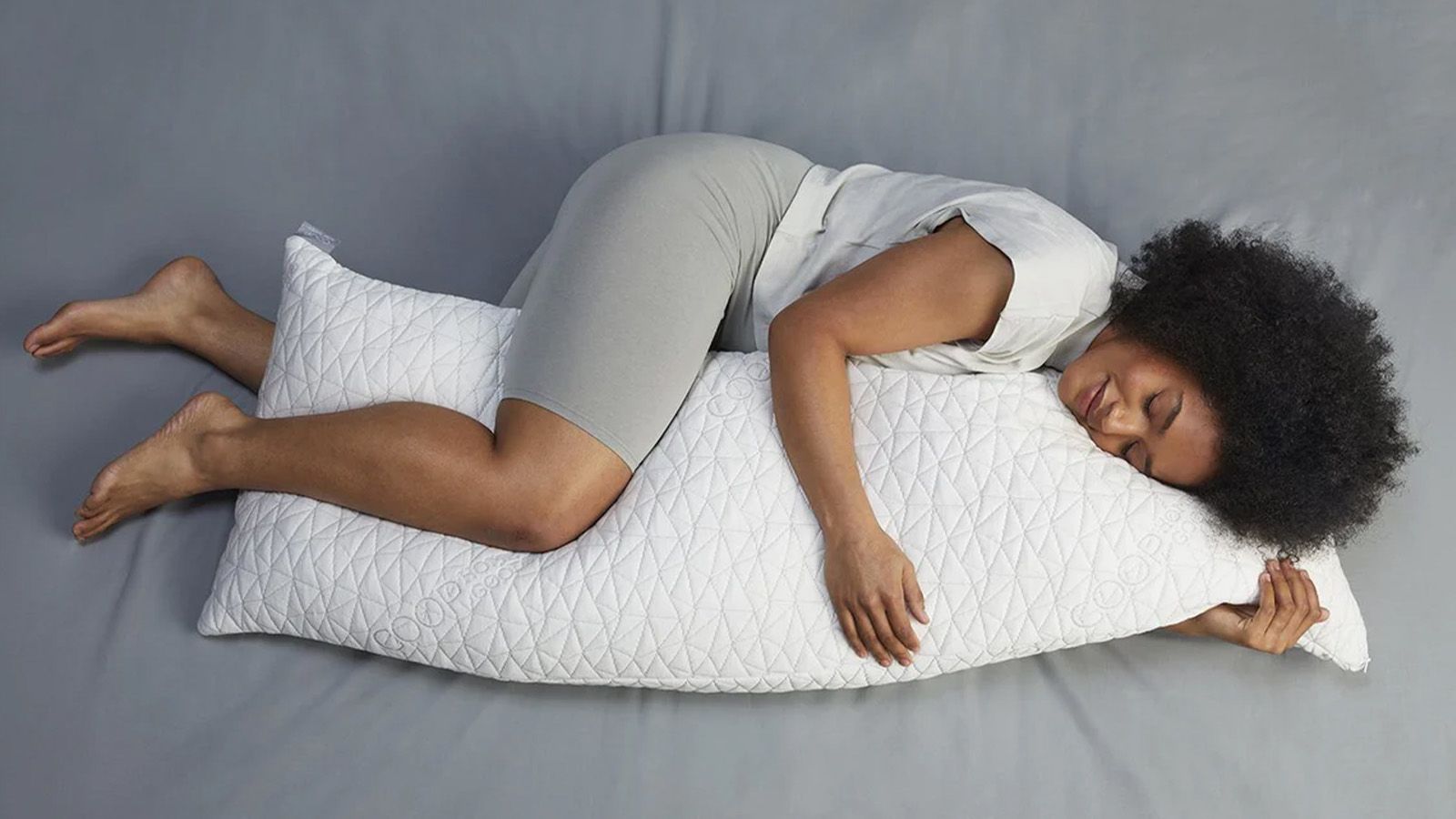
If you're a side sleeper, you're in good company. Most people naturally curl up on their sides when it's time to get some rest. But here's something not everyone realizes: your sleep position affects more than just your comfort.
It can impact your spine alignment, breathing, and whether you wake up with a stiff neck. And one of the biggest factors? Pillow height.
Your pillow's height, or loft, plays a big role in how well you sleep. Too high, and your neck might crane awkwardly. Too low, and your shoulder might bear more weight than it should. So, how do you pick the right one?
Lets explore seven practical tips for choosing a pillow height that suits you as a side sleeper.
1. Measure Your Shoulder Width
This might sound overly precise, but its surprisingly helpful. Side sleepers need a pillow that fills the space between the head and the mattress; your shoulder width determines that gap.
If your shoulders are broad, youll need a thicker (higher-loft) pillow to keep your head level with your spine. If your frame is narrower, a thinner pillow may do the trick.
You dont need to break out a tape measure, though. Just consider your general build. If youre often frustrated by average pillow sizes, it might be because your shoulder width isnt average.
Some of the best pillows for side sleepers are designed with this in mind. These pillows can better match your frame and help eliminate that awkward neck tilt that leads to stiffness in the morning.
2. Think About Your Mattress Firmness
Heres a side note you might not have thought about: your mattress and pillow work as a team. A firm mattress doesnt allow your body to sink in much, so your shoulder sits higher, and youll likely need a taller pillow to keep your neck in line.
On the other hand, a soft mattress allows more giveyour body sinks in more, which can reduce the needed pillow height.
Its easy to forget this. We often shop for pillows in isolation. But thinking of your bed as a system, mattress, pillow, and even sheets, can go a long way toward improving your sleep quality.
3. Test It With the Neutral Spine Check
Your body loves balance. When lying on your side, your head, neck, and spine should form a straight line, not tilted or drooping down.

Heres a quick trick: lie on your side with your usual pillow. Have someone look at you from behind (or take a picture). Is your head in line with your spine, or is it off? If your head is angled, your pillow height is likely wrong.
Its a simple test, but incredibly revealing. Many of us assume discomfort is normal, but often it just means our pillow isnt doing its job.
4. Adjust Based on Your Sleep Habits
Do you tuck your arm under your pillow?
Do you curl up tightly or sprawl out like a starfish? Your sleeping style affects how much support you need.
If you often bunch up your pillow or fold it in half, thats a sign its probably too low for you. Conversely, pushing it away halfway through the night might be too high or firm.
Side sleeping isn't one uniform positionthere is the fetal position, the log, the yearner, and many variations. Its worth paying attention to your specific habits.
5. Dont Ignore Your Preferences (Seriously)
Its tempting to get caught up in the science of neutral spine alignment, shoulder gaps, and support zone, but your comfort matters just as much. If a pillow feels good and you wake up without pain, thats a win.
Sleep is deeply personal. You may like a sink or a firm, almost bouncy pillow. Its okay to trust how your body feels. Its essential.
Sometimes, the best solutions dont follow rules. If youve ever slept better with a throw pillow on vacation than your fancy memory foam one at home, you know what I mean.
6. Try Adjustable or Layered Pillows
If you're unsure what height works best, consider getting a pillow with an adjustable loft. Some brands offer pillows with removable layers or shredded memory foam that you can add or remove. Its like having multiple pillows in one.
This is especially helpful if your needs change over time. You may get a new mattress, start a new workout routine that changes your posture, or be pregnant and sleep differently. An adjustable pillow gives you flexibility.
Also, if you like to tinker, this option gives you room to experiment.
7. Replace Worn-Out Pillows
This ones less about selection and more about maintenance, but its just as important.
Over time, pillows lose their structure and support. A pillow that was perfect a year ago might now be saggy and unsupportive, even if it still looks okay. Memory foam can break down, down clusters can clump, and polyester fill can go flat.
If you wake up with more neck pain than usual, it might not be you; your pillow might give up on you.
As a general rule, check your pillow every 1218 months. Hold it horizontally and see if it folds or flattens too easily. If it does, it might be time for a new one.
Final Thoughts
Choosing the right pillow height for a side sleeper is like finding the right pair of shoes. Theres science behind it, fit, support, balance, but ultimately, it has to feel right for you.
You dont need to obsess over every detail, but paying attention to a few key factors, your body, your mattress, and your sleep style, can lead to better sleep. And better sleep? Well, that leads to better mornings, better moods, and just maybe, a better life.
Sometimes, we spend too much time chasing bigger solutions to stress or fatigue when the real issue might be something as simple as our pillow. It's a quiet reminder that the little things matter. So, if youre a side sleeper, take the time to figure out what your body needs at night. Your neck and your future self will thank you.