






























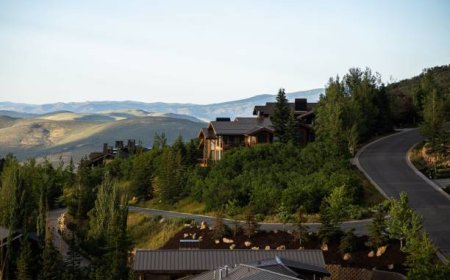



How to Hike Almaden Quicksilver County Park in San Jose
How to Hike Almaden Quicksilver County Park in San Jose Almaden Quicksilver County Park, nestled in the heart of San Jose, California, is one of the most historically rich and ecologically diverse open space preserves in the Bay Area. Spanning over 13,000 acres, this park is not just a recreational escape—it’s a living museum of California’s mining heritage, a sanctuary for native wildlife, and a

How to Hike Almaden Quicksilver County Park in San Jose
Almaden Quicksilver County Park, nestled in the heart of San Jose, California, is one of the most historically rich and ecologically diverse open space preserves in the Bay Area. Spanning over 13,000 acres, this park is not just a recreational escapeits a living museum of Californias mining heritage, a sanctuary for native wildlife, and a haven for hikers seeking trails that blend rugged terrain with serene natural beauty. Unlike many urban parks, Almaden Quicksilver offers a true wilderness experience within minutes of a major metropolitan area, making it an essential destination for both casual walkers and serious trail enthusiasts.
The parks name derives from its pivotal role in the 19th-century mercury (quicksilver) mining industry, which supplied the gold rush-era processing needs of California and beyond. Today, remnants of old mining structures, rusted machinery, and abandoned shafts dot the landscape, offering a tangible connection to the past. But beyond its industrial history, Almaden Quicksilver is a thriving ecosystem home to black-tailed deer, coyotes, bobcats, and over 150 species of birds. Its trails wind through oak woodlands, grassy meadows, chaparral slopes, and hidden canyons, providing year-round opportunities for solitude, exercise, and nature observation.
For many visitors, the challenge lies not in finding the parkits easily accessible from Highway 85 and Highway 280but in navigating its vast trail network. With over 80 miles of trails, ranging from easy paved paths to steep, rocky ascents, choosing the right route, preparing adequately, and understanding the terrain can make the difference between a rewarding adventure and a frustrating experience. This guide is designed to demystify the process. Whether youre a first-time hiker from downtown San Jose or a seasoned backpacker looking to explore lesser-known routes, this tutorial will equip you with the knowledge to hike Almaden Quicksilver County Park safely, respectfully, and thoroughly.
Step-by-Step Guide
Step 1: Plan Your Visit Based on Season and Weather
Almaden Quicksilvers climate varies significantly by season. Summers are hot and dry, with temperatures often exceeding 90F (32C), especially in the lower elevations near the parks entrances. Spring (MarchMay) is ideal for wildflower blooms and mild temperatures, while fall (SeptemberNovember) offers crisp air and fewer crowds. Winters are mild but can bring occasional rain, which turns dirt trails into muddy sludge and increases the risk of slippery rocks.
Before heading out, always check the Santa Clara County Parks website for trail closures, fire restrictions, or wildlife alerts. Avoid hiking during extreme heat warnings, and never attempt strenuous trails after heavy raincertain sections, particularly near the historic mines, become hazardous due to erosion and unstable ground.
Step 2: Choose Your Starting Point
The park has multiple access points, each offering different trail experiences. The three most popular trailheads are:
- Almaden Quicksilver Park Visitor Center (15500 Almaden Rd, San Jose): The main hub with restrooms, water, maps, and ranger assistance. Ideal for beginners and families.
- Shirley Canyon Trailhead (off Almaden Rd near the intersection with Calaveras Rd): Known for its steep ascent and panoramic views, this is the most popular route to the summit of Mount Allison.
- Quicksilver Mining District Trailhead (near the old mercury mine ruins): Best for history buffs and those seeking interpretive signage about mining operations.
For first-timers, start at the Visitor Center. It provides the most comprehensive orientation and connects directly to the Huckleberry Trail, a gentle, paved path perfect for acclimating to the terrain.
Step 3: Select a Trail That Matches Your Ability
Trail difficulty in Almaden Quicksilver ranges from easy to expert. Use the parks official trail map (available at the Visitor Center or downloadable online) to identify routes by length, elevation gain, and surface type.
Easy Trails (02 miles,
- Huckleberry Trail: Paved, wheelchair-accessible, and shaded. Connects the Visitor Center to the mining ruins. Great for families and dog walkers.
- Miners Trail: A flat, gravel path looping around the historic mine buildings. Ideal for photo stops and learning about mercury extraction.
Moderate Trails (25 miles, 5001,000 ft elevation gain):
- Shirley Canyon Trail: A 2.5-mile ascent with switchbacks, ending at the summit of Mount Allison. Offers sweeping views of the Santa Clara Valley and the Diablo Range. Popular for sunrise hikes.
- Almaden Lake Trail: A 4-mile loop combining flat lakeside walking with gentle climbs through oak forest. Excellent for birdwatching.
Difficult Trails (5+ miles, 1,000+ ft elevation gain):
- Mount Allison via Shirley Canyon + West Ridge: A 7-mile loop with steep, exposed sections. Requires good fitness and navigation skills.
- Almaden Quicksilver Loop (Full Park Circuit): A 15-mile endurance route combining multiple trails. Only recommended for experienced hikers with proper gear and water reserves.
Step 4: Prepare Your Gear
Even short hikes in Almaden Quicksilver require preparation. The park has limited shade, no potable water beyond the Visitor Center, and no cell service in many areas.
Essential Gear:
- At least 2 liters of water per person (more in summer)
- High-SPF sunscreen and a wide-brimmed hat
- Sturdy hiking shoes with ankle supportrocky, uneven terrain is common
- Trail map and compass (download offline maps via Gaia GPS or AllTrails)
- First aid kit with blister treatment and tick removal tool
- Snacks: energy bars, nuts, or dried fruit
- Lightweight rain jacket (even in summer, afternoon thunderstorms can roll in)
- Mobile phone with fully charged battery and power bank
Do not rely on park facilities. Restrooms are available only at the Visitor Center and a few trailheads. Plan accordingly.
Step 5: Enter the Park and Begin Your Hike
There is no entrance fee to Almaden Quicksilver County Park. Parking is free at all designated lots. Arrive early on weekends to secure a spot, especially at Shirley Canyon and the Visitor Center.
Upon arrival, take a moment to read posted signs. Many trails intersect, and trail markers can be faded or obscured by brush. Always verify your route using your map before committing to a path.
Start your hike with a warm-up on a flat section. Hiking at elevation requires gradual acclimation. Even if you live in San Jose, the parks higher ridges (up to 1,700 feet) can feel more taxing than expected.
Step 6: Navigate Trail Junctions and Landmarks
One of the most common mistakes hikers make is assuming trails are clearly marked at every turn. In reality, many intersections in Almaden Quicksilver have minimal signage. Key landmarks to watch for include:
- The Mercury Mine Ruins: A cluster of stone buildings and rusted equipment near the Visitor Center. A good reference point for orienting yourself.
- Shirley Canyon Bridge: A wooden footbridge crossing a seasonal creek. After crossing, the trail steepens significantly.
- Mount Allison Summit: Marked by a metal pole and 360-degree view. A natural turnaround point for many hikers.
- Old Quicksilver Road: A wide, graded dirt path that once carried mining equipment. Useful as a connecting route between trails.
Use the trail name + direction method: For example, Huckleberry Trail heading north toward the mine. This helps avoid confusion when multiple trails converge.
Step 7: Respect Historic Sites and Natural Features
Almaden Quicksilver is a protected cultural and ecological site. Do not touch, climb on, or remove any mining artifacts. Many structures are unstable and legally protected. Disturbing rock formations, plants, or animal habitats is prohibited.
Stay on designated trails to prevent erosion and protect sensitive habitats. Off-trail hiking increases the risk of encountering poison oak, which is prevalent in spring and summer. Learn to identify it: Leaves of three, let it be.
Step 8: Complete Your Hike and Exit Safely
As you return to your vehicle, take note of any trail conditions you encountered. Did a section become slippery? Was a sign missing? Reporting these issues to Santa Clara County Parks helps maintain trail safety for others.
After your hike, check your clothing and skin for ticks. The park is home to deer ticks that can carry Lyme disease. Shower within two hours of returning and perform a full-body inspection.
Hydrate, stretch, and reflect. Many hikers find the experience deeply groundingthis isnt just exercise; its a connection to land, history, and self.
Best Practices
Leave No Trace Principles
Adhering to Leave No Trace ethics ensures Almaden Quicksilver remains pristine for future generations. Follow these seven core principles:
- Plan Ahead and Prepare: Know the trail, weather, and regulations before you go.
- Travel and Camp on Durable Surfaces: Stick to established trails and campsites. Avoid trampling vegetation.
- Dispose of Waste Properly: Pack out all trash, including food scraps and toilet paper. Use restrooms at the Visitor Center.
- Leave What You Find: Do not pick flowers, collect rocks, or carve into trees. Historical artifacts belong to the park.
- Minimize Campfire Impacts: Fires are prohibited except in designated grills at the Visitor Center picnic area.
- Respect Wildlife: Observe animals from a distance. Never feed them. Store food securely to avoid attracting coyotes.
- Be Considerate of Other Visitors: Keep noise levels low. Yield to uphill hikers. Use headphones for music.
Trail Etiquette and Safety
Almaden Quicksilver sees a mix of hikers, mountain bikers, and equestrians. Always yield to horsesstep off the trail on the downhill side and remain quiet. Bikers have the right of way on shared trails, but they must slow down and announce themselves when passing.
Always hike with a buddy when possible. If you must go alone, leave your itinerary with someone. Share your planned route and expected return time. Cell service is unreliable, so dont depend on it for emergencies.
Carry a whistle and a small mirror. These can be used to signal for help if you become lost or injured. In open areas, the flash of a mirror can be seen from miles away.
Seasonal Considerations
Spring: Wildflowers bloom in March and April. Look for goldfields, lupine, and poppies along the lower slopes. This is also when poison oak is most vibrantstay alert.
Summer: Heat exhaustion is the leading cause of park rescues. Hike early (before 8 a.m.) and avoid midday sun. Carry electrolyte tablets or sports drinks.
Fall: Cooler temperatures make this the most popular season. Crowds increase on weekends. Consider hiking on weekdays for solitude.
Winter: Trails are wet and muddy. Wear waterproof boots and avoid creek crossings after rain. Some trails may be temporarily closed due to erosion.
Environmental Stewardship
Almaden Quicksilver is part of the larger San Francisco Bay Area open space system, which relies on volunteer efforts for maintenance. Consider joining a park cleanup day or trail restoration project. The Friends of Almaden Quicksilver Park organization hosts monthly eventscheck their website for details.
Volunteering not only helps preserve the park but also deepens your understanding of its ecology and history. Many volunteers become lifelong advocates for the land.
Tools and Resources
Official Park Resources
Start with the Santa Clara County Parks website: https://www.sccgov.org/sites/parks/Pages/almaden-quicksilver.aspx. Here youll find:
- Interactive trail maps with elevation profiles
- Current trail closure notices
- Guided hike schedules (seasonal ranger-led walks)
- Historical photo archives and educational materials
Mobile Applications
Download these apps before your hike:
- Gaia GPS: Offers offline topographic maps, including USGS quads and park-specific overlays. Tracks your route and altitude in real time.
- AllTrails: User reviews and photos for each trail. Filter by difficulty, length, and pet-friendliness.
- Google Maps (Offline Mode): Download the park area for basic navigation. Not as detailed as Gaia but useful as a backup.
Books and Guides
For deeper context, consider:
- Hiking the Almaden Quicksilver Park: A Guide to the Trails and History by Mary Ellen Miller
- The Mercury Mines of California by John H. Lienhard
- California Wildflowers: A Field Guide by Donald and Lillian Stokes
These books are available at local libraries and bookstores in San Jose. Many include detailed trail descriptions and historical anecdotes not found online.
Maps and Print Resources
While digital maps are convenient, always carry a printed copy. The parks official trail map (available at the Visitor Center) is the most accurate. It includes:
- Trail names and numbers
- Trailhead locations
- Water sources and restrooms
- Historic site markers
- Elevation contours
Print your own map using the parks PDF version. Laminate it or place it in a waterproof sleeve for durability.
Volunteer and Educational Programs
Engage further with the park through:
- Ranger-Led Hikes: Free, guided walks on weekends focusing on geology, flora, and mining history.
- Junior Ranger Program: A free activity booklet for children that teaches park stewardship through fun tasks.
- Trail Maintenance Days: Volunteers help clear brush, repair signs, and remove trash. Tools and training provided.
Sign up through the Friends of Almaden Quicksilver Park Facebook group or email volunteer@fcop.org.
Real Examples
Example 1: The Family Day Hike
Sarah and her two children, ages 6 and 9, visited Almaden Quicksilver on a Saturday morning in April. They started at the Visitor Center, picked up a free Junior Ranger booklet, and followed the Huckleberry Trail to the mine ruins. They spent 45 minutes exploring the interpretive signs, spotting a red-tailed hawk overhead, and identifying wildflowers from the booklet.
After lunch at the picnic area, they hiked the first 0.7 miles of the Shirley Canyon Trail to the bridge, where they turned back. Total distance: 2.5 miles. They finished by 1 p.m., avoiding the afternoon heat.
Sarah said, We didnt try to do everything. We just enjoyed being outside together. The kids loved finding the old mining tools and pretending they were prospectors.
Example 2: The Solo Adventurer
David, a 32-year-old software engineer from downtown San Jose, wanted to disconnect from screens. He chose the Mount Allison Loop7 miles, 1,400 feet of elevation gain. He started at 6 a.m. with 3 liters of water, a power bank, and his Gaia GPS app loaded.
He hiked Shirley Canyon Trail up, then took the West Ridge Trail down, which offered a quieter, less crowded descent. He spent 20 minutes at the summit photographing the sunrise over the valley and recording a voice memo reflecting on his week.
He returned to his car at 11 a.m., feeling refreshed. I didnt see another person after the first mile. The silence, the wind, the viewit was like therapy, he said.
Example 3: The History Buffs Deep Dive
Marisol, a retired history teacher, came to Almaden Quicksilver to research the mercury mining industry. She spent two days exploring the park with a camera, notebook, and the book The Mercury Mines of California.
She traced the path of the old tramway from the mine to the crusher house, photographed the stone foundations of the assay office, and compared her findings with archival photos from the San Jose Public Library. She later presented her findings at a local historical society meeting.
This park isnt just a trail systemits an open-air archive. Every rusted bolt tells a story about labor, innovation, and environmental cost, she explained.
Example 4: The Birdwatchers Expedition
James, a birder from Palo Alto, visited in early May to spot migratory species. He hiked the Almaden Lake Trail and the Upper Bear Creek Trail, using his binoculars and Merlin Bird ID app.
He documented 37 species, including the rare black-throated gray warbler, western bluebird, and a pair of golden eagles soaring above the ridge. He submitted his checklist to eBird, contributing to citizen science efforts.
Ive hiked many parks, but Almaden Quicksilver has the highest diversity of raptors Ive seen in a single day in the Bay Area, he noted.
FAQs
Do I need a permit to hike in Almaden Quicksilver County Park?
No, there is no permit required for day hiking. The park is open daily from sunrise to sunset. Fees are not charged for entry or parking.
Are dogs allowed on the trails?
Yes, dogs are permitted on all trails but must be kept on a leash no longer than six feet at all times. Owners are responsible for cleaning up after their pets. Dogs are not allowed in the Visitor Center building.
Is there drinking water available on the trails?
No. The only potable water is at the Visitor Center. Carry all the water youll need for your hike. There are no refill stations on the trails.
Can I camp in the park?
No, overnight camping is not permitted. Almaden Quicksilver is a day-use park only. Nearby campgrounds include Alum Rock Park and the Santa Cruz Mountains.
Are the mining ruins safe to explore?
You may view the ruins from designated paths, but entering mine shafts, climbing on structures, or removing artifacts is strictly prohibited. Many structures are unstable and pose serious safety risks. Stay on marked trails.
What should I do if I see a snake or other wildlife?
Keep your distance. Do not approach or attempt to feed any animal. Most snakes in the park are non-venomous, but rattlesnakes are present, especially in warm months. If you encounter one, slowly back away. Give it space to move off the trail.
Is the park accessible for wheelchairs or strollers?
The Huckleberry Trail and Miners Trail are paved and wheelchair-accessible. Other trails are steep and rocky, with stairs and uneven surfaces. Check the parks accessibility guide online for details.
When is the best time to see wildflowers?
Mid-March to mid-May is peak wildflower season. Look for goldfields, lupine, and desert sunflowers on the lower slopes, especially after a wet winter.
Can I bike on the trails?
Yes, mountain biking is allowed on most trails except the Huckleberry Trail (paved, pedestrian-only). Bikers must yield to hikers and horses. Check trail signage for bike-specific rules.
What should I do if I get lost?
Stay calm. Stop moving. Use your map and compass to reorient yourself. If you cannot determine your location, stay put and use your whistle or mirror to signal for help. Do not wander further.
Conclusion
Hiking Almaden Quicksilver County Park is more than a physical activityits an immersive journey through time, ecology, and landscape. From the echoing silence of a forgotten mine shaft to the vibrant burst of spring wildflowers, every step reveals a layer of Californias natural and cultural heritage. The parks vast trail network invites exploration at every level, whether youre seeking a gentle stroll with family, a solitary sunrise summit, or a deep dive into the regions industrial past.
Success on the trails comes not from speed or distance, but from preparation, respect, and mindfulness. By following the steps outlined in this guideplanning your route, packing wisely, observing Leave No Trace principles, and using available resourcesyou transform a simple hike into a meaningful experience.
As you walk these ancient paths, remember that you are part of a long lineage of visitors who have come to this land seeking clarity, beauty, and connection. Whether youre a San Jose resident or a traveler passing through, Almaden Quicksilver offers more than sceneryit offers perspective. The rocks beneath your feet held mercury that fueled a gold rush. The trees overhead sheltered generations of wildlife. The silence you hear is the echo of history.
So lace up your boots, fill your water bottle, and step onto the trail. The park is waitingnot just to be seen, but to be felt.