






























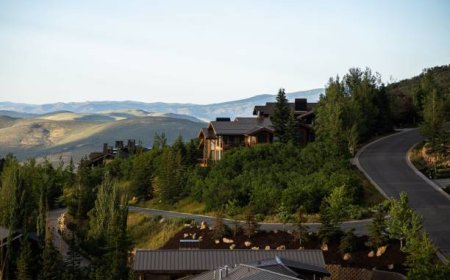



How to Hike Joseph D. Grant County Park in San Jose
How to Hike Joseph D. Grant County Park in San Jose Joseph D. Grant County Park, nestled in the rolling hills of southeastern San Jose, California, is one of the region’s most underrated natural escapes. Spanning over 2,000 acres of protected open space, the park offers hikers a diverse blend of grasslands, oak woodlands, seasonal wetlands, and panoramic views of the Santa Clara Valley. Despite it

How to Hike Joseph D. Grant County Park in San Jose
Joseph D. Grant County Park, nestled in the rolling hills of southeastern San Jose, California, is one of the regions most underrated natural escapes. Spanning over 2,000 acres of protected open space, the park offers hikers a diverse blend of grasslands, oak woodlands, seasonal wetlands, and panoramic views of the Santa Clara Valley. Despite its proximity to urban centers, the park retains a wild, serene character that makes it a sanctuary for nature lovers, trail runners, birdwatchers, and photography enthusiasts alike.
Unlike many popular hiking destinations that are crowded and commercialized, Joseph D. Grant County Park delivers an authentic outdoor experience with minimal infrastructurejust trails, wildlife, and quiet. This makes it ideal for those seeking solitude, physical challenge, or a deeper connection with Californias native ecosystems. However, its relative obscurity also means that many visitors arrive unprepared, underestimating the terrain, weather shifts, or navigation needs.
This comprehensive guide is designed to transform you from a casual visitor into a confident, informed hiker capable of exploring Joseph D. Grant County Park safely, efficiently, and meaningfully. Whether youre a first-time hiker or a seasoned trail enthusiast, this tutorial provides actionable steps, expert insights, and practical tools to maximize your experience. By the end, youll know not just how to hike the parkbut how to appreciate it.
Step-by-Step Guide
Step 1: Plan Your Visit Based on Season and Weather
Joseph D. Grant County Park experiences a Mediterranean climatemild, wet winters and hot, dry summers. The best times to hike are from late October through early June. Spring (MarchMay) is ideal for wildflower blooms, while fall (OctoberNovember) offers crisp air and fewer insects. Summer hikes are possible but require extreme caution due to temperatures that regularly exceed 95F (35C), especially on exposed ridgelines.
Check the National Weather Service forecast for San Jose before heading out. Avoid hiking during or immediately after heavy rain, as unpaved trails can become muddy and slippery. Flash flooding is rare but possible in low-lying areas near seasonal creeks. Always carry extra watereven in cooler monthsbecause there are no reliable water sources within the park.
Step 2: Choose Your Starting Point and Trailhead
The park has three main access points, each offering different trail experiences:
- North Entrance (Grass Valley Road): Best for beginners and families. This entrance provides access to the popular Grass Valley Trail and the Upper Trail Loop, which are relatively flat and well-marked.
- East Entrance (Coyote Creek Road): Ideal for intermediate hikers seeking elevation gain. The trail here ascends toward the parks highest point, offering sweeping views of the valley and Mount Hamilton.
- South Entrance (Pacheco Pass Road): The most remote and rugged access point. Best for advanced hikers looking to connect with longer regional trails like the Pacheco Pass Trail or the Bay Area Ridge Trail.
Most visitors begin at the North Entrance due to its paved parking lot, signage, and proximity to restrooms. GPS coordinates for this trailhead are approximately 37.2275 N, 121.7683 W. Use these coordinates in your offline map app to ensure accurate navigation, as cell service is spotty.
Step 3: Select a Trail That Matches Your Skill Level
Joseph D. Grant County Park features over 20 miles of interconnected trails. Below are three recommended routes based on difficulty:
Beginner: Grass Valley Trail + Upper Trail Loop (2.5 miles, easy)
This loop begins at the North Entrance and follows the wide, gently graded Grass Valley Trail eastward before connecting to the Upper Trail Loop. The route passes through open grasslands dotted with wild mustard and lupine in spring. Youll encounter interpretive signs about native plants and historical land use. Total elevation gain: under 200 feet. Ideal for families, dog owners (on leash), and photographers seeking wide-open vistas.
Intermediate: Coyote Creek Trail to Ridge Overlook (5.2 miles, moderate)
Starting at the East Entrance, follow the Coyote Creek Trail as it climbs steadily through live oak and bay laurel groves. The trail narrows and becomes rockier as you ascend. At the 3-mile mark, youll reach the Ridge Overlooka rocky outcrop offering 360-degree views of the Santa Clara Valley, the Diablo Range, and on clear days, the Farallon Islands. This trail gains approximately 1,000 feet in elevation. Allow 34 hours round trip. Bring a hat and sun protection; shade is limited.
Advanced: Pacheco Pass Connector + Ridge Trail Loop (8.7 miles, strenuous)
For experienced hikers seeking endurance and solitude, this loop begins at the South Entrance. Ascend the Pacheco Pass Connector to meet the Bay Area Ridge Trail, then follow it northward along the parks spine. The trail features steep switchbacks, loose scree, and exposed ridges. The highlight is the High Point summit at 1,820 feet, where you can see all the way to Mount Diablo. This route requires strong navigation skills and should only be attempted with a fully charged GPS device and extra water. Allow 57 hours. Do not attempt in summer heat.
Step 4: Prepare Your Gear
Proper gear is non-negotiable for a safe and enjoyable hike in Joseph D. Grant County Park. Heres a checklist:
- Footwear: Sturdy hiking boots with ankle support are essential. Trails include loose gravel, exposed roots, and rocky sections. Avoid running shoes or sandals.
- Hydration: Carry at least 2 liters of water per person. A hydration bladder is recommended for easy sipping. Consider electrolyte tablets for longer hikes.
- Nutrition: Pack high-energy snacks: trail mix, energy bars, dried fruit, or jerky. Avoid heavy meals before hiking.
- Navigation: Download offline maps using Gaia GPS or AllTrails. Bring a physical topographic map (USGS 7.5-minute series: San Jose West or Pacheco Pass) as backup.
- Weather Protection: Even on sunny days, temperatures drop rapidly after sunset. Pack a lightweight windbreaker. A wide-brimmed hat and UV-blocking sunglasses are critical in spring and summer.
- First Aid: Include bandages, antiseptic wipes, tweezers (for tick removal), and blister treatment. Snakebite kits are not necessary, but knowing basic first aid for bites is helpful.
- Emergency Items: Whistle, headlamp with extra batteries, and a lightweight emergency blanket. These are lightweight but can be lifesavers if youre delayed.
Step 5: Enter the Park and Begin Your Hike
There is no entrance fee to Joseph D. Grant County Park. Parking is free but limited. Arrive earlyespecially on weekendsto secure a spot. The North Entrance lot fills by 9 a.m. on weekends. If full, park safely along Grass Valley Road (not on private property) and walk in.
Upon entering, take a moment to read the parks interpretive kiosk near the trailhead. It provides information on local flora, fauna, and cultural historyincluding the Ohlone people, who once inhabited this land. Respect all signage: some areas are closed seasonally to protect nesting birds or sensitive vegetation.
Begin your hike on the designated trail. Do not create new paths. Stay on marked trails to prevent erosion and protect wildlife habitat. If youre unsure of the route, use your GPS to confirm your location before moving forward. Take photos, but avoid disturbing plants or animals. Never feed wildlife.
Step 6: Navigate Trail Junctions and Landmarks
Trail markers in Joseph D. Grant County Park are minimal. Youll see occasional white plastic triangles nailed to trees or rocks, but these are inconsistent. Rely on your map and GPS more than trail blazes.
Key landmarks to watch for:
- Grass Valley Overlook: A wide, flat clearing with benchesideal for a rest stop. Look for the large boulder with a metal plaque commemorating a former park ranger.
- Deer Crossing Sign: Located near the midpoint of the Coyote Creek Trail. This is a common spot to spot mule deer at dawn or dusk.
- Rock Pile (Cairn): Near the Ridge Overlook, a stack of stones marks the trails highest point. Do not add to or disturb cairnsthey are navigation aids for others.
If you reach an unmarked junction, stop and consult your map. Do not guess. The parks network of trails can be confusing, especially in areas where grasses obscure the path. When in doubt, backtrack to the last known landmark.
Step 7: Monitor Your Time and Turn Around Early
Its easy to lose track of time while enjoying the scenery. Always plan to finish your hike with at least 90 minutes of daylight remaining. Sunset occurs earlier in winter (5 p.m.) and later in summer (8:30 p.m.), but temperatures drop quickly after dark.
Set a timer on your phone for your intended turnaround time. If youre behind schedule, shorten your route. Its better to hike a portion of the trail than to be caught in darkness or cold without proper gear.
Step 8: Exit Safely and Leave No Trace
When returning to your vehicle, ensure youve collected all trashincluding food wrappers, tissue, and even biodegradable items like apple cores. These can disrupt local wildlife and ecosystems. Pack out everything you pack in.
Check your clothing and gear for ticks before leaving the park. Ticks are common in tall grasses and brush, especially in spring. Shower within two hours of returning home and perform a full-body inspection.
Consider signing the parks optional visitor log at the trailhead kiosk. Your feedback helps park staff maintain trails and respond to issues.
Best Practices
Practice Leave No Trace Principles
Joseph D. Grant County Park thrives because of its minimal human impact. Follow these seven Leave No Trace principles:
- Plan Ahead and Prepare: Know the trail, weather, and regulations. Dont rely on cell service or last-minute decisions.
- Travel and Camp on Durable Surfaces: Stick to established trails. Avoid trampling vegetation, even if it seems hardy.
- Dispose of Waste Properly: Carry out all trash. Human waste must be buried at least 200 feet from water sources and trails. Use a portable trowel and pack out toilet paper.
- Leave What You Find: Do not pick flowers, collect rocks, or carve into trees. These actions degrade the natural experience for others.
- Minimize Campfire Impacts: Fires are prohibited in the park. Use a stove if you need to heat food.
- Respect Wildlife: Observe animals from a distance. Never approach, feed, or attempt to photograph them too closely. Use zoom lenses.
- Be Considerate of Other Visitors: Keep noise low. Yield to uphill hikers. Step aside to let others pass on narrow trails.
Hike with a Buddy When Possible
While solo hiking is permitted, the parks remote sections and unpredictable terrain make it safer to hike with a partner. If you must go alone, inform someone of your planned route and expected return time. Use a personal locator beacon (PLB) or satellite messenger like Garmin inReach if youre venturing into the more isolated areas.
Respect Cultural and Ecological Significance
The land now known as Joseph D. Grant County Park was once home to the Ohlone people for thousands of years. Archaeological sites, including grinding stones and shell mounds, are protected by law. Do not disturb any rock formations, pits, or artifacts. If you find something that looks man-made, photograph it in place and report it to the Santa Clara County Parks Department.
Additionally, the park is a critical habitat for endangered species like the California red-legged frog and the San Joaquin kit fox. Stay on trails to avoid disturbing their burrows or breeding grounds.
Adapt to Changing Conditions
Weather in the park can shift rapidly. A sunny morning can turn into foggy, windy afternoon. If you feel unwelldizzy, nauseous, or overly fatiguedstop immediately. Heat exhaustion and dehydration are common even among fit hikers. Find shade, hydrate, and rest. Do not push through symptoms.
Wildfires are a growing concern in California. Check the countys fire risk map before visiting. If fire restrictions are in effect, avoid hiking during peak wind hours (26 p.m.) and never use lighters or matches.
Engage with the Park Through Observation
Instead of rushing from point A to B, slow down. Sit quietly for 10 minutes at a trailside bench. Listen for birdsongthis park is home to over 150 bird species, including red-tailed hawks, western bluebirds, and the elusive great horned owl. Watch for lizards sunning on rocks, or the delicate tracks of coyotes in the dirt.
Bring a field guide or use an app like Merlin Bird ID or Seek by iNaturalist to identify plants and animals. This transforms a simple walk into a meaningful ecological experience.
Tools and Resources
Recommended Apps for Navigation
- Gaia GPS: Offers detailed topographic maps of Joseph D. Grant County Park, including trail names, elevation profiles, and user-submitted photos. Download offline maps before arrival.
- AllTrails: Provides trail reviews, difficulty ratings, and recent condition reports from other hikers. Filter for dog-friendly or family-friendly trails.
- Merlin Bird ID: Free app from the Cornell Lab of Ornithology. Record bird calls or take photos to identify species on the spot.
- Seek by iNaturalist: Uses AI to identify plants, insects, and animals from your camera. Great for educational hikes with children.
Official Park Resources
Visit the Santa Clara County Parks website for:
- Trail maps (PDF downloads)
- Seasonal closures and fire restrictions
- Volunteer opportunities and guided walks
- Wildlife alerts and safety advisories
Download the official park map before your visit. It includes trail distances, elevation contours, and points of interest not shown on third-party apps.
Books and Field Guides
- California Hiking: 50 Great Hikes by John McKinney Includes a detailed section on Joseph D. Grant County Park.
- A Field Guide to the Plants of the Santa Clara Valley by Carol A. ODonnell Essential for identifying native flora like California poppy, poison oak, and blue oak.
- Birds of the San Francisco Bay Area by Michael OBrien Covers all species commonly seen in the park.
Recommended Gear Brands
- Footwear: Salomon, Merrell, or La Sportiva
- Hydration: CamelBak, Platypus, or Hydrapak
- Navigation: Garmin inReach Mini 2 or SPOT Gen4
- Backpack: Osprey Talon 22 or Deuter Speed Lite 20
- First Aid: Adventure Medical Kits Mountain Series
Community Resources
Join the Santa Clara County Parks Facebook Group to connect with local hikers. Members post real-time trail conditions, wildlife sightings, and group hikes. Its an excellent way to learn from others experiences and plan your next outing.
Real Examples
Example 1: The First-Time Hiker
Maya, a 28-year-old software engineer from downtown San Jose, had never hiked before. She wanted to escape her screen-heavy routine and found Joseph D. Grant County Park on a Google search. Armed with a pair of old sneakers and a water bottle, she drove to the North Entrance on a Saturday morning.
She followed the Grass Valley Trail, took photos of wildflowers, and rested at the overlook. But she didnt check the weatherby noon, the temperature soared to 92F, and she ran out of water. She felt lightheaded and had to sit under a tree until a park ranger noticed her and offered a refill.
That day, Maya learned the hard way. The next weekend, she returned with proper gear: boots, a hydration bladder, a hat, and a downloaded map. She completed the Upper Trail Loop without incident and now hikes the park every other weekend. Its my therapy, she says. I dont just walkI feel the earth.
Example 2: The Birdwatcher
David, a retired biology professor, visits the park every Tuesday at dawn. He carries a spotting scope, a field notebook, and a recording device. Hes documented over 120 bird species here, including a rare sighting of the white-throated swift in 2022.
David avoids crowded trails and hikes the Pacheco Pass Connector at sunrise. He notes the behavior of raptors circling thermals, the calls of wrens near seasonal creeks, and the seasonal migration patterns of swallows. He submits his observations to eBird, contributing to global citizen science efforts.
This park is a living laboratory, he says. The more you pay attention, the more it reveals.
Example 3: The Family Outing
The Chen familyparents and two children, ages 6 and 9hiked the 2.5-mile loop on a spring Sunday. They brought a picnic, binoculars, and a scavenger hunt list created from the parks interpretive signs: Find a yellow flower, Spot a squirrel, Identify a tree with peeling bark.
The children loved the adventure. They found a rattlesnake rattle (left behind by a shed), watched a red-tailed hawk soar overhead, and collected fallen acorns to plant at home. The parents appreciated the quiet, the lack of crowds, and the opportunity to teach their kids about nature without screens.
We came for a walk, said the mother. We left with a love for the land.
FAQs
Is Joseph D. Grant County Park open every day?
Yes, the park is open daily from sunrise to sunset. There are no closing times, but parking areas may be locked after dark. Always plan to exit before dusk.
Are dogs allowed on the trails?
Yes, dogs are permitted but must be kept on a leash no longer than six feet at all times. Owners are responsible for cleaning up after their pets. Some trails may be closed during bird nesting seasoncheck the official website.
Are there restrooms or water fountains in the park?
Restrooms are available at the North Entrance trailhead. There are no water fountains or drinking stations along the trails. Bring all the water youll need.
Can I camp in Joseph D. Grant County Park?
No, overnight camping is not permitted. The park is designated for day use only.
Is the park accessible for people with mobility challenges?
The North Entrance trailhead and the first 0.5 miles of the Grass Valley Trail are paved and relatively flat, making them suitable for wheelchairs and strollers. Beyond that, trails become uneven and steep. No ADA-compliant trails extend into the backcountry.
Are there snakes in the park?
Yes, the park is home to several non-venomous species, including gopher snakes and ring-necked snakes. The Northern Pacific rattlesnake is also present, especially in rocky areas during warmer months. Stay on trails, watch where you step, and never reach into crevices. If you see a snake, give it spaceit will move away.
Can I bike or ride an e-scooter on the trails?
Mountain biking is prohibited on all trails within Joseph D. Grant County Park. Only foot traffic is allowed to protect the fragile ecosystem and ensure safety for hikers and wildlife.
What should I do if I get lost?
Stop immediately. Do not wander further. Use your GPS to determine your location. If you have no signal, retrace your steps to the last known trail marker. Use your whistle to signal for helpthree short blasts are the universal distress call. Stay put until youre found.
Can I collect plants or rocks?
No. All plants, rocks, fossils, and artifacts are protected by state law. Removing anything from the park is illegal and harms the environment.
Is there cell service in the park?
Spotty at best. Verizon has the strongest signal near the North Entrance. Other carriers often lose service within 0.5 miles of the trailhead. Always download maps and emergency contacts offline.
Conclusion
Hiking Joseph D. Grant County Park is more than a physical activityits an immersion into one of the last remaining wild spaces near a major metropolitan area. It demands respect, preparation, and mindfulness. The trails dont just lead to viewpoints; they lead to awareness.
By following the steps outlined in this guideplanning wisely, choosing appropriate trails, packing essential gear, and practicing Leave No Traceyou not only ensure your own safety but also help preserve this fragile ecosystem for future generations. Whether youre drawn by the silence of the hills, the dance of hawks on the wind, or the quiet resilience of native plants, this park offers something rare: a true connection to the land.
Dont just visit Joseph D. Grant County Park. Learn it. Listen to it. Protect it. The trails will reward you with clarity, calm, and a deeper understanding of the natural world that thrives just beyond the citys edge.
Now lace up your boots, fill your bottle, and step onto the trail. The hills are waiting.