






























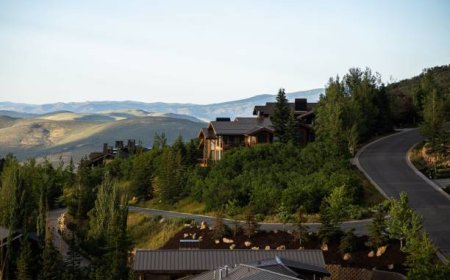



How to Hike Santa Teresa County Park in San Jose
How to Hike Santa Teresa County Park in San Jose Santa Teresa County Park, nestled in the southern reaches of San Jose, California, is one of the most rewarding and underappreciated natural escapes in the South Bay Area. Spanning over 1,600 acres of rolling hills, oak woodlands, and panoramic vistas, the park offers hikers a rare blend of rugged terrain, historical landmarks, and serene biodiversi

How to Hike Santa Teresa County Park in San Jose
Santa Teresa County Park, nestled in the southern reaches of San Jose, California, is one of the most rewarding and underappreciated natural escapes in the South Bay Area. Spanning over 1,600 acres of rolling hills, oak woodlands, and panoramic vistas, the park offers hikers a rare blend of rugged terrain, historical landmarks, and serene biodiversityall within a short drive from urban centers. Whether you're a seasoned trail enthusiast or a first-time hiker seeking solitude and scenery, Santa Teresa County Park delivers an immersive outdoor experience that combines physical challenge with cultural richness.
Unlike many popular regional parks that suffer from overcrowding, Santa Teresa maintains a peaceful atmosphere, thanks in part to its relatively remote location and less commercialized infrastructure. Its trails wind through native grasslands, past ancient rock formations, and alongside remnants of early 20th-century ranching life, including the preserved Santa Teresa Adobe. The parks elevation changes provide sweeping views of the Guadalupe River Valley, the Diablo Range, and on clear days, even the silhouette of Mount Hamilton.
Understanding how to hike Santa Teresa County Park effectively means more than just picking a trailit requires preparation, awareness of local conditions, and respect for the ecosystem. This guide is designed to equip you with everything you need to plan, execute, and enjoy a safe, fulfilling hike through this hidden gem. From trail selection and gear recommendations to wildlife safety and seasonal considerations, we cover every critical detail to ensure your visit is not only enjoyable but also sustainable and memorable.
Step-by-Step Guide
1. Plan Your Visit: Timing and Reservations
Before setting foot on any trail, begin with logistical planning. Santa Teresa County Park is open daily from sunrise to sunset, but entry is subject to availability during peak seasons. While no formal reservation system is in place for general day use, the parks main parking lot can fill up quickly on weekends and holidays, especially during spring and fall. Arriving before 9 a.m. significantly increases your chances of securing a spot.
Check the official Santa Clara County Parks website for any alerts regarding trail closures, fire restrictions, or special events. Weather plays a critical rolesummer months can bring extreme heat, while winter rains may render certain trails muddy or impassable. Aim for late spring (AprilMay) or early fall (SeptemberOctober) for optimal temperatures and trail conditions.
2. Choose Your Trail: Matching Difficulty to Experience
Santa Teresa County Park offers over 20 miles of interconnected trails, ranging from easy nature walks to strenuous climbs. Your choice should align with your fitness level, time availability, and desired scenery.
Beginner Option: Adobe Loop Trail (1.2 miles, easy)
This short, flat loop begins at the main parking lot and circles around the historic Santa Teresa Adobe, built in 1856. Interpretive signs explain the adobes role in early Californio ranching life. The trail is well-maintained, shaded in parts by live oaks, and ideal for families, photographers, and those seeking a gentle introduction to the park.
Intermediate Option: Santa Teresa Peak Trail (3.5 miles, moderate)
Starting from the same lot, this out-and-back trail gains approximately 700 feet in elevation as it ascends through chaparral and grassland to the summit of Santa Teresa Peak. The final stretch includes exposed rock ledges with 360-degree views of the South Bay, the Silicon Valley skyline, and distant mountain ranges. Allow 23 hours round-trip. Bring waterthere are no sources along this route.
Advanced Option: Rancho San Antonio to Santa Teresa Connector (68 miles, strenuous)
For experienced hikers, this long-distance route connects Santa Teresa County Park with Rancho San Antonio Open Space Preserve via the Almaden Quicksilver County Park trails. This route demands navigation skills, proper footwear, and ample supplies. It traverses remote ridgelines and offers unparalleled solitude. Only attempt if youre comfortable with off-trail navigation and have a GPS device or offline map loaded.
3. Enter the Park: Parking and Trailhead Access
The primary and only public access point is the Santa Teresa County Park Main Entrance, located at 15750 Santa Teresa Blvd, San Jose, CA 95138. Follow signs for County Park from Santa Teresa Boulevard. The parking lot is paved and can accommodate 4050 vehicles. There is no fee for parking or day use, making this one of the most accessible public parks in the region.
Upon arrival, locate the trailhead kiosk near the restrooms. It displays current trail maps, safety notices, and a checklist of park rules. Take a printed map or photograph it with your phone. Cell service is spotty in the park, so relying on digital maps without offline access is risky.
4. Begin Your Hike: Trail Etiquette and Navigation
Once on the trail, follow established paths and avoid cutting switchbacks to prevent erosion. Yield to uphill hikers, and step aside for equestrianshorseback riders have right-of-way on shared trails. Keep conversations quiet to preserve the natural ambiance and increase your chances of spotting wildlife.
Trail markers at Santa Teresa are mostly painted blazes (white or orange dots on rocks or trees) and occasional wooden signs. However, intersections can be confusing, especially where multiple trails converge. Use a physical map alongside a GPS app like Gaia GPS or AllTrails (download offline maps beforehand). Mark your starting point and set a waypoint at your turnaround spot to ensure you retrace your steps correctly.
5. Summit and Scenic Stops
If youre heading to Santa Teresa Peak, the final 0.3 miles involve a steep, rocky climb. Use your hands for balance where needed. At the top, take time to absorb the view. On clear days, you can spot the Dumbarton Bridge, the Santa Cruz Mountains, and even the Pacific Ocean. This is an ideal spot for lunch, photography, or quiet reflection. Avoid leaving any trasheven food scraps can attract wildlife and disrupt natural foraging behavior.
6. Return and Exit
Always retrace your steps on out-and-back trails. If youre on a loop, confirm your route with your map before descending. As you near the parking lot, take note of any changes in trail conditionswet areas, fallen branches, or animal tracksthat may have developed during your hike. Exit through the main gate and consider taking a moment to thank the park staff if theyre present. Their work maintains this space for public enjoyment.
Best Practices
Hydration and Nutrition
Even on short hikes, dehydration is a leading cause of emergency evacuations in Santa Teresa County Park. The combination of sun exposure and elevation gain can accelerate fluid loss. Carry at least 2 liters of water per person, even for the Adobe Loop. Electrolyte tablets or salted snacks help maintain sodium balance. Avoid sugary drinksthey can cause energy crashes. Pack high-energy, non-perishable foods like trail mix, energy bars, dried fruit, and jerky.
Dress for Success
Layering is key. Mornings can be cool, especially in spring and fall, while midday temperatures can soar above 90F in summer. Wear moisture-wicking fabrics, not cotton, which retains sweat and increases the risk of chills. Long, lightweight pants protect against poison oak and insect bites. Closed-toe hiking shoes with ankle support are essentialloose gravel, exposed roots, and rocky outcrops make sandals or sneakers unsafe.
Wildlife Awareness
Santa Teresa is home to coyotes, bobcats, rattlesnakes, and numerous bird species. Most animals avoid humans, but you must remain vigilant. Never feed wildlifeit alters natural behavior and can lead to dangerous encounters. If you see a snake, stop, observe from a distance, and slowly back away. Rattlesnakes are most active in spring and early summer. Listen for their warning rattle and watch where you place your hands and feet, especially near rocks and logs.
Carry a snakebite kit only if youre trained in its use. Otherwise, focus on prevention and knowing the nearest emergency exit. If bitten, remain calm, immobilize the limb, and call 911 immediately. Do not attempt to suck out venom or apply a tourniquet.
Leave No Trace Principles
Adhere strictly to the seven Leave No Trace principles:
- Plan ahead and prepare
- Travel and camp on durable surfaces
- Dispose of waste properly
- Leave what you find
- Minimize campfire impact
- Respect wildlife
- Be considerate of other visitors
Pack out everything you bring inincluding biodegradable items like apple cores or orange peels. These can take months to decompose and attract pests. Use designated restrooms at the trailhead. If you must relieve yourself off-trail, dig a cathole 68 inches deep, at least 200 feet from water sources, trails, and campsites. Cover and disguise it completely.
Weather and Seasonal Considerations
Summer (JuneSeptember): Temperatures often exceed 95F. Hike early. Avoid midday sun. Sunscreen, a wide-brimmed hat, and UV-blocking sunglasses are mandatory. Carry a lightweight umbrella or sun shirt for shade.
Winter (NovemberFebruary): Rain can make trails slick and muddy. Trails near the creek bed may flood. Avoid hiking after heavy rain unless youre experienced in wet-weather navigation. Waterproof boots and a rain shell are essential.
Spring (MarchMay): Wildflowers bloom in March and April. This is the parks most beautiful season. Watch for poison oakits glossy, three-leaf clusters turn red in spring. Learn to identify it before you go.
Fall (October): Mild temperatures and low crowds make this the ideal time to hike. The golden grasses and crisp air create a magical atmosphere.
Emergency Preparedness
Always inform someone of your planned route and expected return time. Carry a fully charged phone in a waterproof case, but assume no signal. Consider a satellite communicator like Garmin inReach for remote areas. A basic first aid kit should include bandages, antiseptic wipes, tweezers (for ticks or splinters), pain relievers, and any personal medications.
Know the location of the nearest emergency access points. The main entrance is the closest, but if youre on the Rancho San Antonio connector trail, the nearest road access is near the Almaden Reservoir trailhead. Keep a printed park map with marked exits.
Tools and Resources
Essential Gear Checklist
Before you head out, verify you have these items:
- Sturdy hiking boots with ankle support
- Backpack (2030L capacity)
- Minimum 2 liters of water per person
- High-energy snacks and lunch
- Map and compass (or GPS device with offline maps)
- First aid kit
- Sun protection: hat, sunglasses, SPF 50+ sunscreen
- Weather-appropriate clothing (layers, rain shell)
- Whistle and headlamp (in case of delays)
- Trash bag (for packing out waste)
- Hand sanitizer and wet wipes
- Emergency blanket
Recommended Apps and Digital Tools
While physical maps are vital, digital tools enhance navigation and safety:
- Gaia GPS Offers detailed topographic maps of Santa Teresa County Park, including trail grades, elevation profiles, and offline downloads. Premium version includes satellite imagery.
- AllTrails User-submitted reviews and photos help gauge trail conditions. Filter by difficulty, length, and recent activity.
- CalTopo Ideal for route planning. Allows you to overlay satellite, terrain, and trail data to design custom hikes.
- Weather Underground Provides hyperlocal forecasts for the Santa Teresa area, including wind speed and UV index.
- Google Maps (Offline Mode) Download the park area for turn-by-turn directions to the trailhead, even without cellular service.
Official Resources
Always consult authoritative sources for updates:
- Santa Clara County Parks Website www.sccgov.org/sites/parks Official park alerts, closures, and event calendars.
- Friends of Santa Teresa County Park A volunteer group that leads guided hikes and trail maintenance. Their Facebook page and newsletter offer insider tips and volunteer opportunities.
- California Department of Fish and Wildlife For information on native species, poison oak identification, and snake safety.
Books and Guides
For deeper context, consider these publications:
- Day Hikes Around San Jose by David L. Miller Includes a detailed section on Santa Teresa trails with elevation charts and historical notes.
- The Natural History of the Santa Clara Valley by Susan J. B. Wiggins Explains the parks native flora and fauna, including rare plant species like the Santa Teresa thistle.
- Leave No Trace: A Guide to the New Wilderness Etiquette by L. Anderson A foundational text on ethical outdoor behavior.
Real Examples
Example 1: The Family Day Out Adobe Loop and Picnic
Emily and Mark, both software engineers from Cupertino, brought their 6-year-old daughter, Lily, for a weekend outing. They arrived at 8 a.m. on a Saturday and secured a parking spot. After a quick stop at the restrooms, they hiked the 1.2-mile Adobe Loop, pausing to read all the interpretive signs. Lily enjoyed spotting lizards and identifying oak leaves. They packed a picnic with sandwiches, fruit, and juice boxes, eating under the shade of a live oak near the trails midpoint. The entire outing took three hours. They left no trace, collected their trash, and even picked up three pieces of litter left by others. It felt good to show Lily how to respect nature, Emily said. Well be back next month.
Example 2: The Solo Hiker Santa Teresa Peak Challenge
Raj, a 38-year-old fitness instructor from San Francisco, decided to hike Santa Teresa Peak alone on a weekday in October. He downloaded Gaia GPS with the trail loaded, packed 3 liters of water, electrolyte tablets, and a lightweight windbreaker. He started at 7:30 a.m. and reached the summit by 10:15 a.m. He took photos, ate a protein bar, and noted the wind direction and cloud cover for his journal. He descended via the same route, arriving back at the parking lot at 12:45 p.m. Raj used his satellite communicator to send a safe return message to his sister. Ive hiked the Rockies, he said, but Santa Teresas views are just as powerfuland I didnt have to drive six hours to get here.
Example 3: The Trail Volunteer Restoration Day
A group of 12 volunteers from San Jose State University participated in a Trail Restoration Day organized by Friends of Santa Teresa County Park. They spent the morning removing invasive plant species like French broom and blackberry brambles, which threaten native wildflowers. They also repaired a section of trail eroded by heavy rains. In exchange for their work, they received a guided tour of the parks geological formations and a picnic lunch. We thought we were just doing community service, said one student. But we learned more about local ecology in one day than we did in two semesters of biology.
Example 4: The Unexpected Encounter Snake Safety in Action
During a spring hike, a family from Gilroy encountered a Western rattlesnake coiled on the trail near the ridge overlook. Instead of panicking, the father remembered advice from a park rangers talk: Stop. Dont move. Back away slowly. He kept his children behind him, called out calmly to alert others, and waited until the snake slithered off into the brush. They resumed their hike on a different path. Later, they reported the sighting to the park office, helping staff post a temporary warning sign. We were scared, the mother admitted. But knowing what to do made all the difference.
FAQs
Is Santa Teresa County Park free to enter?
Yes. There is no entrance fee or parking fee. The park is funded and maintained by Santa Clara County Parks and Recreation.
Are dogs allowed on the trails?
Dogs are permitted but must be kept on a leash no longer than six feet at all times. They are not allowed in the historic Adobe building or on certain sensitive habitat trails. Always clean up after your pet.
Can I bring a bike or horse?
Bicycles are permitted only on designated fire roads, not on hiking trails. Equestrian use is allowed on specific trails, but riders must yield to hikers. Check the official map for equestrian routes.
Are there restrooms or water fountains on the trails?
Restrooms are available at the main parking lot. There are no water fountains or refill stations on any hiking trails. Carry all the water you need.
Is the park open during wildfires or smoke events?
The park may close temporarily during high fire danger or poor air quality. Always check the official website before traveling. Smoke from regional fires can linger for days, even if the fire is miles away.
Can I camp overnight in Santa Teresa County Park?
No. Overnight camping is not permitted. The park is strictly a day-use facility.
Whats the best time of year to see wildflowers?
Mid-March to mid-April is peak bloom. Look for goldfields, lupines, and desert sunflowers in open grasslands. The best viewing is along the lower sections of the Santa Teresa Peak Trail.
Is the trail accessible for strollers or wheelchairs?
The Adobe Loop is paved and flat, making it the only trail suitable for strollers and mobility devices. All other trails are natural surface with steep grades and uneven terrain.
Can I bring a drone?
Drone use is prohibited in all Santa Clara County Parks without a special permit, which is rarely granted for recreational use. Respect wildlife and other visitors by leaving drones at home.
How do I report trail damage or illegal activity?
Contact Santa Clara County Parks at (408) 918-4800 or submit a report via their website. Include the trail name, location, and description of the issue.
Conclusion
Hiking Santa Teresa County Park is more than a physical activityits a journey into the quiet heart of Silicon Valleys natural heritage. Unlike the crowded trails of Yosemite or the commercialized paths of Big Sur, Santa Teresa offers authenticity: the crunch of native grass underfoot, the distant cry of a red-tailed hawk, the scent of sage after a rain. Its a place where history lingers in stone walls and the land speaks in subtle rhythms.
This guide has provided you with the tools to navigate its trails safely, respectfully, and joyfully. From selecting the right trail for your ability to preparing for weather, wildlife, and emergencies, every step matters. Remember: the best hikes are not the longest or hardest, but the ones where you leave the land better than you found it.
As urban development continues to expand across the Bay Area, protected spaces like Santa Teresa County Park become increasingly precious. By choosing to hike here thoughtfully, you become part of a larger movement to preserve these landscapesnot just for your own enjoyment, but for future generations.
So lace up your boots, pack your water, and step onto the trail. The hills are waiting.