






























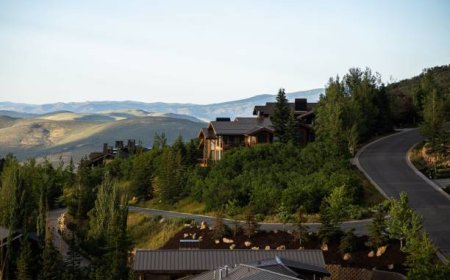



How to Hike Upper Stevens Creek from San Jose
How to Hike Upper Stevens Creek from San Jose Upper Stevens Creek is one of San Jose’s most serene and underappreciated natural escapes—a hidden gem nestled in the Santa Cruz Mountains that offers hikers a rewarding blend of lush forest trails, seasonal waterfalls, and panoramic views of the Bay Area. Unlike the more crowded trails of Mount Hamilton or the Santa Teresa Hills, Upper Stevens Creek p

How to Hike Upper Stevens Creek from San Jose
Upper Stevens Creek is one of San Joses most serene and underappreciated natural escapesa hidden gem nestled in the Santa Cruz Mountains that offers hikers a rewarding blend of lush forest trails, seasonal waterfalls, and panoramic views of the Bay Area. Unlike the more crowded trails of Mount Hamilton or the Santa Teresa Hills, Upper Stevens Creek provides a tranquil, immersive experience with minimal crowds, even on weekends. Whether youre a local resident seeking a weekend reset or a visitor looking to explore the lesser-known natural beauty of Silicon Valley, this trail delivers an unforgettable journey through native oak woodlands, riparian corridors, and quiet creek beds.
This guide is designed as a comprehensive, step-by-step resource for hiking Upper Stevens Creek from San Jose. It covers everything from trail access and navigation to seasonal considerations, safety protocols, and equipment recommendations. By the end of this tutorial, youll have all the knowledge needed to confidently plan, prepare for, and complete your hike with easewhether youre a first-time trail user or a seasoned hiker looking to refine your approach.
Step-by-Step Guide
1. Understand the Trail System
Upper Stevens Creek is not a single, clearly marked trail but rather a network of interconnected paths that follow the creeks upper watershed. The most common and recommended route begins at the Stevens Creek Trailhead off Skyline Boulevard (Highway 35) and follows the Stevens Creek Trail northward, eventually connecting to the Upper Stevens Creek Trail via the Bear Creek Trail or the Hidden Valley Trail. The full loop can range from 6 to 9 miles depending on your route and detours.
The trail is maintained by Santa Clara County Parks and the Peninsula Open Space Trust (POST). While signage exists at key junctions, it is not always consistent, so having a reliable offline map or GPS app is essential. The terrain varies from wide, well-graded dirt paths to narrow, root- and rock-strewn sections near the creek bed. Elevation gain is moderateapproximately 8001,000 feet over the course of the hikebut the continuous ups and downs make it feel more strenuous than the numbers suggest.
2. Choose Your Starting Point
The most popular and accessible starting point for hikers from San Jose is the Stevens Creek Trailhead at Skyline Boulevard. This location is easily reachable via Highway 280 or Highway 101 and offers ample parking (though it fills quickly on weekends).
To reach the trailhead from downtown San Jose:
- Take Highway 280 North toward Los Gatos.
- Exit at Skyline Boulevard (Highway 35) and head east for approximately 1.5 miles.
- Look for the clearly marked parking area on the north side of Skyline, just past the Stevens Creek Reservoir dam. Theres a small kiosk with a map and restrooms.
Alternative starting points include:
- Hidden Valley Trailhead Accessible via Almaden Expressway and Stevens Creek Road. This route is shorter but steeper and less shaded.
- Stevens Creek County Park Visitor Center Located at the base of the reservoir. This is ideal if you want to combine a reservoir walk with the upper creek hike.
For most hikers from San Jose, the Skyline Trailhead is optimal due to its proximity, parking availability, and the gradual ascent it provides.
3. Prepare Your Gear
Even on mild days, Upper Stevens Creek can be unpredictable. Always pack the following essentials:
- Water Carry at least 2 liters per person. There are no reliable water sources along the upper trail.
- Snacks High-energy foods like trail mix, energy bars, or dried fruit.
- Footwear Sturdy hiking boots or trail runners with good grip. The creek bed sections are muddy and slippery, especially after rain.
- Navigation tools Download the AllTrails or Gaia GPS app with the trail offline. Paper maps from Santa Clara County Parks are also recommended.
- Layered clothing Temperatures can vary significantly between the valley floor and the ridge. A lightweight windbreaker and moisture-wicking base layer are ideal.
- First aid kit Include blister treatment, antiseptic wipes, and tweezers for ticks.
- Trekking poles Helpful for stability on steep, uneven sections.
- Whistle and flashlight For emergencies or if youre hiking late.
Do not rely on cell service. Coverage is spotty beyond the trailhead and nonexistent in the creek bed. Always inform someone of your planned route and estimated return time.
4. Begin Your Hike: From Skyline Trailhead to Upper Stevens Creek
Start at the kiosk near the parking area. Look for the white trail marker with the word Stevens Creek and follow the wide, well-maintained dirt path heading east. The initial 0.5 miles are gentle and shaded by live oaks and bay laurels. Youll pass the reservoir on your leftthis is a popular spot for birdwatching, especially for great blue herons and red-winged blackbirds.
At approximately 1.2 miles, youll reach the junction with the Hidden Valley Trail. If youre doing the full loop, take a left here. Otherwise, continue straight on the Stevens Creek Trail. The path begins to climb steadily now, winding through thick chaparral and manzanita. Keep an eye out for poison oakits glossy three-leaf clusters are common here.
At 2.1 miles, youll reach the Bear Creek Junction. This is a critical navigation point. Look for a small wooden sign pointing left to Upper Stevens Creek. Take this left turn. The trail narrows significantly and becomes more rugged. This is where the upper section begins.
From here, the trail follows the creek upstream, crossing it multiple times via natural rock hops or wooden logs. These crossings can be slippery, especially in spring and early summer when snowmelt and seasonal rains increase flow. Test each step before committing your weight. If the water is above your ankles, consider turning back or waiting for conditions to improve.
As you ascend, the canopy thickens, and the sound of the creek grows louder. Youll pass several small cascades and poolsperfect for short rest stops. The trail is rarely marked here, so rely on your GPS or map. Look for faint boot paths leading uphill along the left bank of the creek. Avoid cutting switchbacks or creating new trailsthis damages the fragile riparian ecosystem.
5. Reach the Upper Creek Ridge
After approximately 3.5 miles from the trailhead, youll reach a high point known locally as the Upper Stevens Creek Ridge. This is the highest elevation on the route, offering sweeping views of the Santa Cruz Mountains and, on clear days, the distant outline of Mount Diablo.
Take a break here. This is the best spot for photos and a snack. The ridge is exposed, so if its windy, put on your windbreaker. Youll also notice a dramatic shift in vegetation: the dense oaks give way to scattered pines and ferns that thrive in the cooler, moister air.
From the ridge, you have two options:
- Return the way you came This creates a 7-mile out-and-back hike.
- Continue to the Bear Creek Loop Follow the trail south along the ridge for another 1.2 miles until you reach the Bear Creek Trail. Turn right and descend back toward Skyline, connecting to your original trail. This creates a 9-mile loop with more variety and less backtracking.
If you choose the loop, be prepared for a steep descent on the Bear Creek Trail. The switchbacks are sharp, and the trail is rocky. Use your trekking poles and watch your footing.
6. Return and Exit
Whether you return via the same route or complete the loop, youll eventually rejoin the main Stevens Creek Trail near the 2.1-mile mark. From there, follow the trail back to the trailhead. The descent is easier on the knees than the ascent, but fatigue can set in, so maintain your pace and hydration.
Upon returning to the parking area, take a moment to reflect. Upper Stevens Creek is a place of quiet beauty, and its worth pausing to appreciate the natural rhythms youve experienced.
Best Practices
1. Hike During the Right Season
Upper Stevens Creek is accessible year-round, but the best time to hike is from late February to early June. This window offers:
- Full water flow in the creek and active waterfalls
- Green, lush vegetation and blooming wildflowers (especially California poppies and lupine)
- Cooler temperatures ideal for physical exertion
Avoid hiking during peak summer (JulySeptember), when the creek dries up, vegetation becomes brittle, and temperatures in the valley can exceed 95F. Winter months (DecemberJanuary) bring rain, which makes the trail muddy and increases the risk of flash floods. While winter hikes can be beautiful, they require extra caution.
2. Leave No Trace Principles
Upper Stevens Creek is a protected watershed. Follow these Leave No Trace guidelines strictly:
- Carry out all trash, including food wrappers and fruit peels.
- Stay on designated trails to prevent erosion and protect native plants.
- Do not disturb wildlife. Observe from a distance.
- Never feed animalsthis includes squirrels and birds.
- Use designated restrooms or dig a cathole 68 inches deep at least 200 feet from water sources if nature calls.
- Do not pick flowers or collect rocks or logs.
These practices ensure the trail remains pristine for future hikers and supports the local ecosystem.
3. Safety First: Wildlife and Terrain
Common wildlife you may encounter includes:
- Black-tailed deer Usually docile; observe quietly.
- Western fence lizards Harmless and common on sun-warmed rocks.
- Mountain lions Extremely rare, but possible. If you see one, do not run. Face the animal, make yourself look larger, and back away slowly.
- Western rattlesnakes Most active in spring and early summer. Watch where you step, especially on sunny rocks. Give them space.
- Ticks Especially in tall grass near creek edges. Wear long pants, tuck them into socks, and check your body thoroughly after the hike.
For terrain safety:
- Never jump into creek poolsdepth and underwater obstacles are unpredictable.
- Use caution on moss-covered rocksthey are extremely slippery.
- Stay hydrated even if you dont feel thirsty. Altitude and exertion can mask dehydration.
- If you feel dizzy, nauseous, or overly fatigued, stop and rest. Dont push through symptoms.
4. Group Hiking and Solo Hiking
Upper Stevens Creek is suitable for both group and solo hikes, but each requires different preparation.
For groups: Assign a lead and a rear hiker to ensure no one gets left behind. Keep the group within sight at all times. Designate a person to carry the map and GPS. Avoid loud music or voices that disrupt wildlife.
For solo hikers: Always notify someone of your itinerary. Consider carrying a personal locator beacon (PLB) or satellite messenger like Garmin inReach. Avoid hiking alone during low-light hours. Stick to daylight hours only.
5. Environmental Responsibility
Upper Stevens Creek is part of a critical watershed that supplies water to nearby communities. The trail corridor is home to endangered species like the California red-legged frog and the Pacific chorus frog. Your actions directly impact their survival.
Additional responsible practices:
- Use biodegradable soap if washing hands near water (though its best to avoid it entirely).
- Do not use dronesthis disturbs birds and violates park regulations.
- Report trail damage, illegal dumping, or suspicious activity to Santa Clara County Parks at (408) 615-4700.
Tools and Resources
1. Recommended Apps
- AllTrails Search for Upper Stevens Creek Loop or Stevens Creek to Bear Creek. Download offline maps. User reviews often include recent trail conditions.
- Gaia GPS Offers topographic maps and satellite imagery. Ideal for navigating unmarked junctions.
- Google Maps (Offline) Useful for locating the trailhead from San Jose. Not reliable for trail navigation.
2. Official Maps and Guides
Download the official trail map from the Santa Clara County Parks website at www.sccgov.org/sites/parks. The map includes elevation profiles, trail distances, and points of interest.
The Peninsula Open Space Trust (POST) also provides educational brochures on the watersheds ecology. These are available at the trailhead kiosk or online at www.post.org.
3. Weather and Trail Condition Resources
Check these before you go:
- NOAA Forecast for Cupertino Provides localized precipitation and temperature data.
- Santa Clara County Parks Trail Conditions Page Updated weekly with closures, mud reports, and trail maintenance notices.
- Bay Area Hiking Facebook Groups Real-time updates from fellow hikers. Search Bay Area Hiking Updates for active communities.
4. Gear Recommendations
Here are trusted gear options for Upper Stevens Creek:
- Footwear: Merrell Moab 3 or Salomon X Ultra 4
- Backpack: Osprey Talon 22 or Deuter Speed Lite 20
- Water: CamelBak Crux 2L reservoir or Nalgene bottles
- Navigation: Garmin inReach Mini 2 (satellite communicator)
- First Aid: Adventure Medical Kits Ultralight/Watertight .7
- Weather Gear: Columbia Watertight II Jacket
5. Educational Resources
Deepen your appreciation with these resources:
- The Natural History of the Santa Cruz Mountains by Robert L. DeWitt
- Documentary: Watershed: The Hidden Life of Stevens Creek (available on YouTube via Santa Clara County Parks)
- Podcast: Bay Area Nature Walks Episode 17: Echoes of the Upper Creek
Real Examples
Example 1: The Weekend Reset Hiker
Emma, a software engineer from San Jose, wanted to escape her screen-heavy routine. She planned a solo hike on a Saturday in April. Starting at 8 a.m., she followed the Skyline Trailhead route. She carried 2.5 liters of water, a lightweight jacket, and her Garmin inReach. She reached the Upper Creek Ridge by 11 a.m., spent 30 minutes photographing the waterfall cascade, and returned by 1:30 p.m. She described it as the most peaceful four hours Ive had in months.
Her tips: Wear trail runners with good grip. I almost slipped twice on mossy rocks. Also, bring a small towel. My hands were wet from creek crossings, and drying them helped avoid chafing.
Example 2: The Family Adventure
The Chen familyparents and two children ages 8 and 11hiked Upper Stevens Creek as part of a school nature project. They started at the Stevens Creek County Park Visitor Center and took the easier 4-mile loop via Hidden Valley. They used a printed map and a compass app on their phones. The kids loved spotting frogs and collecting fallen leaves (which they later pressed and labeled).
They finished by 2 p.m. and had a picnic at the reservoir. Their advice: Bring snacks every 45 minutes. Kids get hungry fast. And make it a gamecount how many different birds you see.
Example 3: The Photography Expedition
James, a landscape photographer, visited Upper Stevens Creek in late March to capture the seasonal waterfalls. He arrived at dawn with a tripod, wide-angle lens, and ND filter. He hiked to the upper ridge and waited for the morning light to hit the cascades just right. He captured a stunning image of mist rising from the pool belowa photo later featured in a local nature magazine.
His tips: Go early. The light is magical between 79 a.m. The trail is quiet, and the mist from the creek catches the sun perfectly. Bring a rain cover for your gearits humid near the water.
Example 4: The Trail Maintenance Volunteer
After a winter storm washed out part of the trail near the creek crossing, a group of volunteers from the Bay Area Hiking Club spent a Saturday repairing the path. They cleared debris, rebuilt a wooden footbridge, and repainted faded trail markers. They were authorized by POST and received training on erosion control and native plant restoration.
We didnt just fix a trailwe preserved a piece of the Bay Areas natural heritage, said one volunteer. Hiking here is great. Helping keep it that way? Even better.
FAQs
Is Upper Stevens Creek safe for beginners?
Yes, with preparation. The initial section from the Skyline Trailhead is beginner-friendly. However, the upper creek section involves uneven terrain, creek crossings, and navigation challenges. Beginners should stick to the lower 3 miles and avoid crossing the creek unless confident in their footing. Hike with a partner if possible.
Are dogs allowed on the Upper Stevens Creek Trail?
No. Dogs are prohibited on the Upper Stevens Creek Trail and all trails within the Stevens Creek Watershed. This is to protect native wildlife and prevent contamination of the water supply. Service animals are permitted but must remain under control at all times.
Can I swim in the creek?
Swimming is not permitted. The creek is a protected drinking water source, and swimming introduces contaminants and disturbs aquatic life. Additionally, water conditions can change rapidlyundercurrents and submerged logs pose serious risks.
How long does the hike take?
A typical out-and-back hike to the upper ridge and back takes 45 hours, including breaks. The full 9-mile loop takes 57 hours. Allow extra time if you plan to photograph, rest, or explore side pools.
Is there cell service on the trail?
No. Coverage is unreliable beyond the trailhead. Always download offline maps and carry a physical map. Consider a satellite communicator if hiking alone.
Are restrooms available?
Yes, at the Skyline Trailhead and the Stevens Creek County Park Visitor Center. There are no restrooms on the upper trail. Plan accordingly.
Can I hike in the rain?
Light rain is manageable with proper gear, but avoid hiking during or immediately after heavy rain. The creek can swell quickly, making crossings dangerous. Mudslides and slippery rocks increase risk. Check trail conditions before heading out.
Whats the best time of day to hike?
Early morning (79 a.m.) is ideal. The trail is cooler, the light is soft for photography, and crowds are minimal. Avoid midday in spring and summertemperatures rise quickly in the exposed ridge areas.
Is there a fee to hike Upper Stevens Creek?
No. There is no entrance fee. Parking at the Skyline Trailhead is free. This is public land managed by Santa Clara County Parks.
What should I do if I get lost?
Stay calm. Stop moving. Use your GPS to reorient. If you dont have signal, retrace your steps to the last known landmark. If youre still unsure, stay put and use your whistle (three blasts) or flashlight to signal for help. Do not wander further.
Conclusion
Hiking Upper Stevens Creek from San Jose is more than a physical journeyits an immersion into one of the Bay Areas most ecologically significant and quietly beautiful landscapes. From the first steps along the reservoir to the misty ridge above the creek, every mile offers a chance to reconnect with nature, challenge yourself, and gain perspective away from the digital noise of modern life.
This guide has provided you with the practical knowledge to navigate the trail safely, responsibly, and confidently. You now understand the best routes, the essential gear, the seasonal rhythms, and the ethical responsibilities that come with exploring protected wilderness.
Remember: the true value of a trail like Upper Stevens Creek lies not in how far you go, but in how deeply you pay attention. Listen to the creek. Notice the way the light filters through the oaks. Breathe the earthy scent of wet soil after rain. These are the moments that stay with you long after youve returned to the city.
So lace up your boots, pack your water, and step onto the trail. The forest is waiting.