






























How to Stay Cool in San Jose Microclimates
How to Stay Cool in San Jose Microclimates San Jose, California, is known for its vibrant tech scene, lush parks, and Mediterranean climate—yet beneath its sunny exterior lies a complex network of microclimates that can make summer days feel drastically different from one neighborhood to the next. While the city averages 270 days of sunshine annually, temperature variations of 15–25°F can occur ov

How to Stay Cool in San Jose Microclimates
San Jose, California, is known for its vibrant tech scene, lush parks, and Mediterranean climateyet beneath its sunny exterior lies a complex network of microclimates that can make summer days feel drastically different from one neighborhood to the next. While the city averages 270 days of sunshine annually, temperature variations of 1525F can occur over just a few miles. The Santa Clara Valleys topography, proximity to the Pacific Ocean, urban heat island effects, and elevation changes create distinct cooling zones and hotspots that demand tailored strategies to stay comfortable and healthy.
Staying cool in San Joses microclimates isnt just about turning up the air conditioner. Its about understanding how geography, vegetation, building design, and local wind patterns influence temperature. Whether you live in the fog-drenched hills of Los Gatos, the heat-trapping flats of East San Jose, or the breezy corridors near the bay, your approach to thermal comfort must be localized. This guide provides a comprehensive, actionable roadmap to navigate and adapt to San Joses diverse thermal environmentshelping you reduce energy costs, avoid heat-related illness, and enjoy the outdoors safely year-round.
Step-by-Step Guide
Step 1: Identify Your Microclimate Zone
Before implementing cooling strategies, you must first determine which microclimate zone you inhabit. San Jose can be broadly divided into five thermal zones:
- Coastal Influence Zone (West San Jose & Almaden Valley): Cooled by Pacific marine layer and afternoon sea breezes. Temperatures rarely exceed 80F in summer.
- Urban Heat Island Zone (East San Jose & Downtown): Dense infrastructure, asphalt, and limited greenery trap heat. Daytime highs often reach 95105F.
- Valley Floor Zone (North San Jose & Berryessa): Moderate heat with occasional fog penetration. Temperatures hover between 8592F.
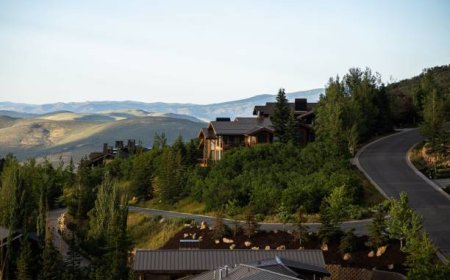
- Hillside & Elevation Zone (Coyote Hills, Monte Sereno, Los Gatos Foothills): Cooler due to altitude and wind flow. Nighttime temperatures can drop into the 50s.
- Bay Edge Zone (Sunnyvale Border, Alviso): Strongest wind corridors with high humidity. Cooling is consistent but damp.
To identify your zone, consult the NOAA San Jose Climate Division Map or use the Windy.com app to compare real-time temperature differentials between your neighborhood and adjacent areas. Local weather stations, such as those operated by San Jose State Universitys Department of Meteorology, also provide hyperlocal data.
Step 2: Optimize Your Homes Thermal Envelope
Regardless of your zone, your homes ability to retain or repel heat determines indoor comfort. Start with these foundational improvements:
- Upgrade insulation: Attic insulation should be R-38 or higher. In East San Joses heat island, consider reflective radiant barriers under roof decking to reduce heat transfer by up to 40%.
- Seal air leaks: Use weatherstripping and caulk around windows, doors, ducts, and electrical penetrations. A single leaky window can increase cooling load by 20%.
- Install cool roofs: Choose roofing materials with high Solar Reflectance Index (SRI) values. White or light-colored metal roofs reflect 7090% of sunlight, keeping attics 2030F cooler than dark asphalt.
- Apply window film: Low-emissivity (Low-E) films block 7080% of infrared heat while maintaining visibility. In west-facing roomscommon in San Joses afternoon sun exposurethis is critical.
For renters, temporary solutions include thermal curtains (look for blackout, insulated linings), reflective window shades, and portable window insulation kits that use plastic film and a hairdryer for a sealed barrier.
Step 3: Leverage Natural Ventilation Strategically
San Joses wind patterns are predictable and exploitable. The prevailing afternoon breeze flows from the west and northwest, funneling through valleys and gaps in the hills.
Open windows on the north and west sides of your home in the late afternoon to draw in cooler air. Simultaneously, open an east- or south-facing window or door on the opposite side to create cross-ventilation. This stack effect pulls hot air upward and out through higher openings.
Install whole-house fans in the attic or ceiling. These systems pull cool night air into the home and exhaust hot air upward. In coastal zones, they can reduce indoor temperatures by 1015F without using AC. Use them between 8 PM and 6 AM when outdoor temps dip below 70F.
For homes without attic access, use oscillating fans strategically: place one near a window to draw air in, and another on the opposite side to push hot air out. Ceiling fans should spin counterclockwise in summer to create a downward breeze.
Step 4: Maximize Shade and Vegetation
Vegetation is one of the most effective, low-cost cooling tools in urban environments. Trees provide shade, release moisture through transpiration, and reduce ambient temperatures by up to 9F.
Plant deciduous trees on the west and south sides of your home. Species like Coast Live Oak, California Sycamore, and Chinese Pistache offer dense canopies in summer and allow winter sun penetration. Avoid planting fast-growing, water-thirsty species like eucalyptus in fire-prone zones.
Install vertical gardens or trellises with climbing vines (e.g., Boston Ivy, Crossvine) on sun-exposed walls. These can reduce wall surface temperatures by 3040F. Rooftop gardens and green roofs are ideal for commercial buildings and larger homes.
Use shade sails, pergolas with retractable canopies, or outdoor umbrellas over patios and decks. A well-placed shade structure can reduce surface temperatures by 2035F, making outdoor living spaces usable during peak heat.
Step 5: Manage Indoor Heat Sources
Even in the coolest microclimates, internal heat generation can overwhelm passive cooling. Identify and mitigate heat-producing appliances:
- Switch to LED lighting: Incandescent bulbs emit 90% of energy as heat. LEDs use 75% less energy and produce negligible heat.
- Use appliances during cooler hours: Run dishwashers, dryers, and ovens after 8 PM or before 6 AM. In East San Jose, using an oven during the afternoon can raise indoor temps by 58F.
- Unplug idle electronics: Devices in standby mode generate vampire heat. Use smart power strips to cut phantom loads.
- Replace old refrigerators and freezers: New ENERGY STAR models use 40% less energy and emit significantly less waste heat.
In kitchens, use microwave ovens, toaster ovens, or slow cookers instead of conventional ovens. Consider installing a range hood that vents to the outsidenever recirculate cooking fumes indoors.
Step 6: Adapt Your Daily Routine to Thermal Patterns
San Joses daily temperature cycle follows a consistent rhythm. Peak heat occurs between 3 PM and 7 PM. The coolest hours are between 4 AM and 7 AM.
Plan outdoor activitieswalking, gardening, exercisefor early morning or evening. Avoid strenuous activity during midday, especially in East San Jose, where heat indices can exceed 110F.
Wear light-colored, loose-fitting clothing made of breathable natural fibers like cotton, linen, or bamboo. These materials wick moisture and allow air circulation. Avoid dark synthetics, which absorb heat and trap sweat.
Hydration is non-negotiable. Carry a reusable water bottle and sip consistently. Electrolyte-enhanced drinks are beneficial after physical exertion. Avoid alcohol and caffeine during peak heatthey promote dehydration.
Step 7: Use Cooling Technology Wisely
When passive methods arent enough, deploy active cooling systems efficiently:
- Set thermostats to 78F: The U.S. Department of Energy recommends this as the optimal balance of comfort and efficiency. Use a programmable or smart thermostat (e.g., Ecobee, Nest) to adjust settings automatically based on occupancy and time of day.
- Use evaporative coolers in dry zones: In West San Jose and Almaden Valley, where humidity is low (often under 30%), evaporative coolers (swamp coolers) can reduce temperatures by 1525F using 75% less energy than traditional AC.
- Install mini-split heat pumps: These ductless systems are ideal for room additions or older homes without ductwork. They provide precise zoning, allowing you to cool only occupied rooms.
- Use personal cooling devices: Battery-powered neck coolers, misting fans, and cooling towels can provide immediate relief during commutes or outdoor errands.
Never set your AC below 72F. Each degree lower increases energy consumption by 68%. Combine cooling with fans for enhanced perceived comfortair movement can make 78F feel like 72F.
Step 8: Prepare for Heat Emergencies
Extreme heat events are increasing in frequency and intensity due to climate change. San Jose has seen more than 15 days above 95F annually since 2020, compared to fewer than 5 in the 1990s.
Create a personal heat action plan:
- Identify cooling centers in your neighborhood (libraries, community centers, malls).
- Keep a list of neighbors, especially elderly or medically vulnerable individuals, who may need assistance.
- Stock emergency supplies: water (1 gallon per person per day), non-perishable snacks, a battery-powered fan, and a first-aid kit.
- Know the signs of heat exhaustion (heavy sweating, dizziness, nausea) and heat stroke (hot, dry skin, confusion, loss of consciousness). Call 911 immediately for heat stroke.
Register with your citys Heat Alert Network (if available) or follow @SanJoseEmergency on social media for real-time advisories.
Best Practices
1. Prioritize Passive Cooling Over Mechanical Cooling
Every watt of energy saved through passive design reduces strain on the grid and your utility bill. Focus first on shading, ventilation, insulation, and thermal mass before investing in high-capacity AC units.
2. Use Thermal Mass to Stabilize Temperatures
Materials like concrete, brick, and tile absorb heat during the day and release it slowly at night. In cooler microclimates (e.g., hillside homes), expose interior concrete floors or walls to sunlight during winter and shade them in summer. This natural thermal regulation reduces the need for artificial heating and cooling.
3. Avoid Over-Reliance on Central Air Conditioning
Central AC systems are inefficient if ducts are leaky or oversized. In many San Jose homes, oversized units cycle on and off too quickly, failing to remove humidity effectively. This leads to clammy, uncomfortable air even at low temperatures. Always have your system sized by a certified HVAC professional using Manual J calculations.
4. Embrace Cooling by Design in New Construction or Renovations
If youre building or remodeling, incorporate passive solar design principles:
- Orient living spaces to face north or south to minimize direct sun exposure.
- Use overhangs and eaves to shade windows in summer while allowing low-angle winter sun to warm interiors.
- Install clerestory windows or solar tubes to bring in daylight without heat gain.
- Design for natural airflow pathsavoid boxy floor plans that trap heat.
5. Engage Your Community
Microclimate cooling is a collective effort. Advocate for:
- Tree planting initiatives in your neighborhood.
- Reflective pavement coatings on sidewalks and parking lots.
- Community cooling hubs in public buildings.
- Green roof incentives for apartment complexes.
Join local groups like the San Jose Urban Forestry Council or Sierra Club Silicon Valley to support policy changes that enhance urban resilience.
6. Monitor and Adapt Continuously
Climate patterns shift. What worked in 2020 may be less effective in 2025. Regularly reassess your cooling strategy:
- Check your homes temperature at different times of day using a wireless thermometer.
- Compare your utility bills year-over-year to gauge efficiency improvements.
- Attend city workshops on energy efficiency and climate adaptation.
Tools and Resources
Weather and Climate Tools
- Windy.com Real-time wind, temperature, and humidity maps with 1km resolution. Ideal for comparing your neighborhood to nearby zones.
- NOAA Climate Data Online Historical temperature records for San Jose and surrounding stations. Filter by decade to observe warming trends.
- San Jose State University Weather Station Network Hyperlocal data from campus and community sensors. Accessible at weather.sjsu.edu.
- HeatRisk.org National map showing heat vulnerability indices by ZIP code. Useful for identifying at-risk areas.
Energy Efficiency Programs
- PG&E Energy Savings Assistance Program Free home energy assessments and rebates for insulation, windows, and efficient appliances. Available to income-qualified residents.
- San Jose Clean Energy Offers discounted rates for solar and battery storage systems. Their Cooling with Clean Energy initiative provides incentives for heat pumps and smart thermostats.
- City of San Jose Green Building Program Certifies homes that meet high-efficiency standards. Offers expedited permitting and tax incentives.
Planting and Landscaping Resources
- California Native Plant Society (CNPS) Database of drought-tolerant, heat-resistant native plants ideal for San Jose microclimates.
- SJ Tree Planting Program Free or discounted trees for residents. Apply at www.sanjoseca.gov/treeplanting.
- Master Gardeners of Santa Clara County Free consultations on shade planning, irrigation, and soil health. Call (408) 918-4440 or visit mg.ucanr.edu.
Personal Cooling Devices
- Chill-It Neck Wrap Reusable gel wrap that cools for hours with water activation.
- OPOLAR Mini Personal Fan USB-rechargeable, whisper-quiet, and fits in a purse.
- ThermaCool Cooling Towels Evaporative towels that activate with water and last 24 hours.
- Arctic Heat Cooling Vest Wearable cooling system ideal for outdoor workers or commuters.
Books and Guides
- The Climate Resilient Home by Sarah Susanka Practical design strategies for adapting homes to extreme heat.
- Cooling Cities: Urban Heat Island Mitigation by Timothy Beatley Urban planning case studies from around the world, including San Jose.
- The Complete Guide to Passive Solar Home Design by Dan Chiras Step-by-step instructions for energy-efficient architecture.
Real Examples
Example 1: The Almaden Valley Family
A family in Almaden Valley (West San Jose) installed a whole-house fan and added reflective window film to their 1980s home. They planted three Coast Live Oaks on the west side and replaced their asphalt driveway with permeable pavers. Their summer AC usage dropped by 60%, and indoor temperatures now stay below 75F even during heat waves. They now rely on the fan and natural ventilation 80% of the time.
Example 2: The East San Jose Apartment Tenant
A renter in East San Jose lives in a 1960s apartment complex with no AC. She used $20 in materials to install reflective window film, hung insulated blackout curtains, and placed a small fan near her window to draw in night air. She sleeps with a cooling towel around her neck and drinks electrolyte water before bed. During a recent 104F heat event, her room stayed at 82F15F cooler than her neighbors, who used no cooling strategies.
Example 3: The Berryessa Business Owner
A small caf in Berryessa installed a green roof and added vertical gardens to its south-facing wall. They replaced all incandescent lighting with LEDs and installed a mini-split heat pump with zoning control. The result? A 45% reduction in energy bills and a 10F cooler interior. Customers now linger longer, and staff report improved comfort and productivity.
Example 4: The Coyote Hills Retiree
An 82-year-old retiree in Coyote Hills experienced frequent dizziness during summer heat. After consulting with a local Master Gardener, she planted a canopy of California Sycamore trees around her patio and installed a shaded pergola. She now spends her mornings under the trees with a fan and a glass of water. Her ER visits for heat-related symptoms have dropped to zero.
Example 5: The City-Sponsored Cool Pavement Pilot
In 2023, the City of San Jose tested reflective pavement coatings on three blocks in East San Jose. Using a special white polymer coating, surface temperatures dropped from 145F to 108F during peak sun. Residents reported walking comfort improved by 70%, and nearby homes saw indoor temperatures decrease by 35F. The pilot is now being expanded to 15 additional neighborhoods.
FAQs
Whats the biggest mistake people make when trying to stay cool in San Jose?
Many assume one-size-fits-all cooling works across the city. Someone using an evaporative cooler in East San Joses humid, stagnant air will find it ineffective. Conversely, someone in West San Jose using only AC without natural ventilation wastes energy. The key is matching your strategy to your specific microclimate.
Can I save money by using fans instead of AC?
Absolutely. A ceiling fan uses about 1550 watts, while a central AC unit uses 3,0005,000 watts. Using fans in combination with a higher thermostat setting (78F) can cut cooling costs by 4070%.
Are trees really that effective in urban areas?
Yes. A single mature tree can provide cooling equivalent to 10 room-sized air conditioners running 20 hours a day. In East San Jose, neighborhoods with tree canopy coverage above 20% have average summer temperatures 712F lower than areas with less than 5% coverage.
Should I install a whole-house fan if I have central AC?
Yesif your home has adequate attic ventilation. Whole-house fans work best at night when outdoor temps are cooler. They can reduce your AC runtime by 5080% during shoulder seasons (spring and fall). Use them in conjunction with your AC, not as a replacement during extreme heat.
Why does my house feel hotter than the weather report says?
Weather stations measure air temperature in shaded, open areas. Your home absorbs and radiates heat from pavement, walls, and appliances. Indoor temperatures can be 1020F higher than the reported outdoor temperature, especially in dense urban areas.
Is it safe to sleep with windows open in San Jose?
Yes, if you live in a low-crime area and use window screens. In coastal and hillside zones, nighttime air is often cooler and cleaner than indoors. In East San Jose, ensure windows are secured and consider a fan to push out stale air.
How do I know if my AC is too small or too big?
If your AC cycles on and off every 510 minutes, its oversized. If it runs continuously without cooling the space, its undersized. A properly sized unit runs in 1520 minute cycles, maintaining consistent temperature and humidity.
Whats the best way to cool a garage-turned-bedroom?
Insulate the walls and ceiling with rigid foam board. Install a mini-split heat pump. Add reflective insulation under the roof. Seal all gaps. Use a dehumidifier if the space feels damp. Avoid using space heaters or incandescent lighting.
Can I get financial help to make my home cooler?
Yes. PG&E, San Jose Clean Energy, and the City of San Jose offer rebates for insulation, windows, heat pumps, and cool roofs. Income-qualified residents may qualify for free upgrades. Visit pge.com/energysavings or sanjoseca.gov/green to apply.
What should I do if I feel dizzy or nauseous during a heat wave?
Move to a shaded or air-conditioned area immediately. Drink water slowly. Apply cool, wet cloths to your neck, wrists, and forehead. Do not take salt tablets or alcohol. If symptoms persist beyond 30 minutes or include confusion, vomiting, or loss of consciousness, seek medical help immediately.
Conclusion
Staying cool in San Joses microclimates is not a one-time fixits an ongoing, intelligent adaptation to the citys unique thermal landscape. Whether youre in the foggy hills of Los Gatos or the sun-baked streets of East San Jose, the principles remain the same: understand your environment, reduce heat gain, enhance natural cooling, and use technology wisely.
The most effective cooling strategies are those that work with nature, not against it. Trees, wind, insulation, and smart design are more sustainable, affordable, and healthier than relying solely on air conditioning. As temperatures rise and heat events become more frequent, these practices arent just comfortabletheyre essential for resilience.
Start today. Identify your microclimate. Plant one tree. Seal one window. Adjust your thermostat one degree higher. These small actions, multiplied across thousands of households, transform neighborhoods into cooler, more livable spaces. In San Jose, the future of comfort isnt in the thermostatits in the soil, the sky, and the choices we make every day.