






























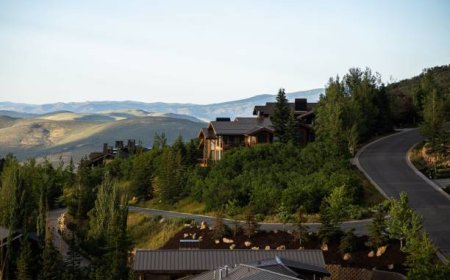



How to Tour Wineries in Santa Cruz Mountains from San Jose
How to Tour Wineries in Santa Cruz Mountains from San Jose The Santa Cruz Mountains AVA (American Viticultural Area) is one of California’s most distinguished yet under-the-radar wine regions. Nestled between the Pacific Ocean and the eastern edge of the Bay Area, this rugged, forested corridor is home to over 80 boutique wineries, many of which produce some of the most elegant Pinot Noir, Chardon

How to Tour Wineries in Santa Cruz Mountains from San Jose
The Santa Cruz Mountains AVA (American Viticultural Area) is one of Californias most distinguished yet under-the-radar wine regions. Nestled between the Pacific Ocean and the eastern edge of the Bay Area, this rugged, forested corridor is home to over 80 boutique wineries, many of which produce some of the most elegant Pinot Noir, Chardonnay, and Cabernet Sauvignon in the state. For residents of San Josejust a 30- to 45-minute drive awaythis region offers an unparalleled escape into vineyard-lined hills, historic tasting rooms, and intimate wine experiences far removed from the crowds of Napa and Sonoma.
Touring wineries in the Santa Cruz Mountains from San Jose is more than a day tripits a curated journey through terroir, tradition, and craftsmanship. Unlike larger wine regions that prioritize volume and tourism infrastructure, the Santa Cruz Mountains emphasize small-batch production, family-run estates, and a deep connection to the land. This guide provides a comprehensive, step-by-step roadmap to planning, executing, and maximizing your winery tour experience. Whether youre a local seeking a weekend retreat or a visitor looking to discover Californias hidden wine gems, this tutorial will equip you with the knowledge, tools, and strategies to make your visit unforgettable.
Step-by-Step Guide
Step 1: Define Your Goals and Preferences
Before you even open a map, ask yourself: What kind of experience are you seeking? The Santa Cruz Mountains offer diverse tasting environmentsfrom rustic barns with panoramic views to modern tasting pavilions perched above misty valleys. Some wineries focus on single-varietal expressions, while others specialize in blends or organic farming. Decide whether you prioritize:
- Wine style: Do you prefer light, earthy Pinot Noirs? Crisp, mineral-driven Chardonnays? Bold, age-worthy Cabernets?
- Atmosphere: Do you want a quiet, seated tasting with a winemaker, or a lively, social setting with live music?
- Size: Are you drawn to tiny, family-owned estates with limited production, or slightly larger operations with more consistent availability?
These preferences will shape your itinerary. For example, if youre a Pinot Noir enthusiast, youll want to prioritize wineries like Ridge Vineyards, David Bruce Winery, or Wilder Vineyard. If youre interested in sustainable farming, consider testing out the biodynamic practices at Loma Prieta or Mount Eden Vineyards.
Step 2: Research and Select Wineries
With over 80 wineries in the region, narrowing your choices is essential. Start with trusted resources like the Santa Cruz Mountains Winegrowers Association website, which offers a searchable directory filtered by varietal, accessibility, and reservation requirements. Look for wineries that:
- Require reservations (most do, especially on weekends)
- Offer tours or vineyard walks (adds depth to the experience)
- Have outdoor seating or views (enhances the ambiance)
- Are within a 20-mile radius of each other to minimize driving time
Recommended wineries for a first-time visitor from San Jose:
- Ridge Vineyards (Lytton Springs Estate): Iconic for its Zinfandel and Monte Bello Cabernet. The hilltop tasting room offers sweeping views and a deep history in California winemaking.
- David Bruce Winery: One of the regions pioneers, known for its Pinot Noir and Chardonnay. Offers educational tastings and a beautiful garden patio.
- Wilderness Vineyard: A small, family-run estate specializing in organic, low-intervention wines. Tastings are by appointment only and often hosted by the winemaker.
- Mount Eden Vineyards: A biodynamic estate with legendary Chardonnay and Pinot Noir. The estate tour includes a walk through ancient vineyards and a discussion of soil composition.
- Loma Prieta Winery: Offers a relaxed, no-frills experience with excellent value. Their Taste of the Mountains flight is a great introduction to regional styles.
Plan to visit 34 wineries per day. More than that leads to fatigue and diminished appreciation of each wine. Prioritize quality over quantity.
Step 3: Book Reservations in Advance
Almost every winery in the Santa Cruz Mountains operates on a reservation-only basis. Walk-ins are rarely accepted, especially on weekends and during harvest season (AugustOctober). Reservations ensure you get a dedicated host, proper glassware, and a thoughtful tasting experience.
Book at least 714 days in advance for weekend visits. Use the winerys official websiteavoid third-party booking platforms that may charge service fees or lack accurate availability. When booking, specify:
- Number of guests
- Preferred date and time
- Any dietary restrictions (some wineries offer food pairings)
- Interest in a vineyard tour or cellar tasting
Confirm your reservation 2448 hours before your visit. Many wineries send automated reminders, but a quick email or phone call ensures there are no last-minute changes.
Step 4: Plan Your Route and Transportation
San Jose to the Santa Cruz Mountains is a straightforward drive, but route planning is critical. The region spans from Woodside in the north to Saratoga and Los Gatos in the east, and down to La Honda and Ben Lomond in the south. Use Google Maps or Waze, but set your route manually to avoid toll roads and winding, narrow highways.
Recommended driving route from San Jose:
- Start at your location in San Jose.
- Take US-101 North to the CA-85 North exit toward Saratoga.
- Follow CA-85 North to CA-9 North (the main artery through the mountains).
- Exit at key points: Woodside (for Ridge), Saratoga (for David Bruce), or La Honda (for Loma Prieta).
Pro tip: Avoid driving after sunset. Many roads are narrow, unlit, and lined with sharp curves. If you plan to taste multiple wines, designate a driver or hire a private transport service. Companies like Santa Cruz Wine Tours or Bay Area Wine Limo offer chauffeur services with flexible itineraries and expert local knowledge.
Step 5: Prepare for the Visit
What you bring matters. Pack the following:
- Water and snacks: Many wineries dont serve food, and tasting can be dehydrating. Bring a reusable water bottle and light snacks like nuts or fruit.
- Sun protection: Even on cloudy days, UV levels are high at elevation. Wear a hat, sunglasses, and sunscreen.
- Comfortable shoes: Youll likely walk on gravel, grass, or uneven terrain. Avoid heels or flip-flops.
- Notebook or phone notes: Record your impressionsflavor profiles, aromas, and favorite bottles. This helps you remember what you liked when selecting future purchases.
- Photo ID: Required for all tastings. California law mandates ID verification for alcohol consumption.
- Wine carrier or insulated bag: If you plan to buy bottles, bring a sturdy bag. Many wineries offer shipping, but carrying a few bottles yourself is part of the experience.
Step 6: Navigate the Tasting Experience
Most tastings last 4575 minutes and include 57 wines. Expect to pay $25$60 per person, often waived with a bottle purchase. Heres how to make the most of it:
- Arrive on time: Punctuality shows respect. Winemakers and hosts often schedule back-to-back appointments.
- Ask questions: Dont hesitate to ask about grape sourcing, fermentation techniques, or aging methods. Staff are passionate and eager to share.
- Spit if needed: Many visitors spit into provided buckets to remain sober and focused. Its completely acceptable and encouraged for those tasting multiple wines.
- Pay attention to the sequence: Tastings are typically ordered from lightest to heaviest: whites before reds, light reds before bold ones.
- Buy what you love: Many wineries offer discounts on 36 bottle purchases. Shipping is often free or discounted for local buyers.
Step 7: Extend Your Experience
Turn your winery tour into a full-day adventure. After your tastings:
- Have lunch at a local farm-to-table restaurant like The Farmhouse at Santa Cruz Mountains or Big Basin Brewing Company in Boulder Creek.
- Take a scenic hike in Big Basin Redwoods State Parkjust minutes from many wineries.
- Visit the Roaring Camp Railroads in Felton for a vintage train ride through the forest.
- Stop by a local artisanal cheese shop or olive oil producer for a complementary tasting.
Many wineries also host seasonal events: spring planting days, harvest festivals, and winter barrel tastings. Check their calendars in advancethese events offer exclusive access and deeper insight into the winemaking process.
Step 8: Post-Visit Follow-Up
After your tour, take 2448 hours to reflect. Review your notes. Which wines stood out? Which winery made the strongest impression? Consider:
- Signing up for wine club membershipsmany offer free tastings, early access to new releases, and member-only discounts.
- Writing a short review on Google or Wine-Searcher to help others discover these hidden gems.
- Planning your next visit: perhaps a different season, or focusing on a new varietal like Syrah or Viognier.
Building a relationship with a winery enhances future experiences. Regular visitors often receive personalized recommendations and invitations to private events.
Best Practices
Practice Responsible Tasting
Wine tasting is about appreciation, not intoxication. Pace yourself. Drink water between samples. Eat before and during your tour. Many wineries provide crackers or bread, but bringing your own protein-rich snacks helps maintain balance. If you feel even slightly impaired, stop tasting and focus on enjoying the scenery and conversation.
Respect the Environment
The Santa Cruz Mountains are ecologically sensitive. Stay on designated paths. Dont pick grapes or disturb wildlife. Many wineries are certified sustainable or organicsupport those practices by choosing eco-conscious producers and avoiding single-use plastics.
Engage with Staff Authentically
Winemakers and tasting room staff are often the owners or long-time employees. Theyve dedicated their lives to this craft. Ask about their journey, their challenges, and what makes their wine unique. Genuine curiosity is valued far more than casual small talk.
Buy Local and Support Small Producers
Most Santa Cruz Mountains wineries produce fewer than 2,000 cases annually. Your purchase directly supports their livelihood. Even if you cant carry all the bottles home, consider shipping. Many offer discounted rates for Bay Area residents.
Travel Off-Peak
Weekdays (TuesdayThursday) are ideal for a quiet, unhurried experience. Weekend tastings can be crowded, especially in spring and fall. If you must go on a weekend, book early morning slots (10 a.m.12 p.m.) to avoid the rush.
Learn the Lingo
Understanding basic wine terminology enhances your experience:
- Terroir: The combination of soil, climate, and topography that gives wine its unique character.
- Malolactic fermentation: A secondary fermentation that softens acidity, common in Chardonnay.
- Whole-cluster fermentation: Fermenting grapes with stems intactadds structure and spice, common in Pinot Noir.
- Native yeast: Wild yeast present in the vineyard, used for more complex, expressive wines.
Knowing these terms allows you to ask better questions and appreciate the craftsmanship behind each bottle.
Manage Expectations
Dont expect Napa-style luxury. Santa Cruz Mountains wineries are often humble, rustic, and intimate. The charm lies in their authenticity. A dirt driveway, a picnic table under an oak tree, or a tasting room housed in a 19th-century barn are not flawstheyre features.
Tools and Resources
Official Websites and Directories
- Santa Cruz Mountains Winegrowers Association: www.santacruzmountains.org The most comprehensive, up-to-date directory with filters for reservations, accessibility, and varietals.
- Wine-Searcher: www.wine-searcher.com Find specific wines, check prices, and locate retailers or shipping options.
- Google Maps: Use the Winery filter to see locations, reviews, and photos. Enable Save to create a custom list.
- Wine Folly: www.winefolly.com Free guides on wine tasting, pairing, and grape varieties.
Mobile Apps
- Vivino: Scan wine labels to read reviews, compare prices, and save favorites. Useful for remembering what you liked during tastings.
- Wine Access: Offers curated selections from small producers and sometimes exclusive access to limited releases.
- Waze: Better than Google Maps for navigating winding mountain roads. Real-time alerts for traffic, closures, and speed traps.
Books and Media
- The Wines of the Santa Cruz Mountains by Paul Franson A definitive guide to the regions history, vineyards, and winemakers.
- California Wine: A Comprehensive Guide to the States Wineries and Vineyards by Karen MacNeil Includes detailed profiles of key Santa Cruz Mountains producers.
- Podcast: The Wine Show (Episode: Californias Hidden Gems) Features interviews with Santa Cruz Mountains winemakers.
Local Partnerships
Some San Jose-based businesses offer curated wine tour packages:
- San Jose Wine Club: Monthly curated selections from Santa Cruz Mountains wineries, with optional guided tasting events.
- Bay Area Food & Wine Tours: Private, half- or full-day itineraries tailored to your preferences, including transportation and lunch.
- Artisanal Food Halls in San Jose: Places like San Pedro Square Market occasionally host Santa Cruz Mountains winery pop-upsgreat for sampling before committing to a full tour.
Real Examples
Example 1: The Weekend Escape San Jose to Ridge Vineyards and David Bruce
John and Lisa, both software engineers from downtown San Jose, wanted a meaningful weekend break. They booked a Tuesday morning tasting at Ridge Vineyards, arriving at 10 a.m. after a 40-minute drive. The tasting included a 2021 Monte Bello Cabernet Sauvignon and a 2022 Estate Chardonnay. The host, a former geologist, explained how the limestone soils influenced acidity. They purchased two bottles and drove 15 minutes to David Bruce Winery, where they enjoyed a seated tasting on a shaded patio. The winemaker shared stories of planting vines in the 1960s. They bought a bottle of Pinot Noir and had lunch at a nearby caf. They returned home by 5 p.m., relaxed and inspired.
Example 2: The First-Time Visitor A Solo Journey to Wilderness Vineyard
Maya, a graphic designer from Campbell, had never visited a winery. She booked a solo tasting at Wilderness Vineyard after reading about their organic practices. The winemaker, a retired teacher, greeted her personally. They walked through the vineyard, discussing soil health and the decision to stop using pesticides. Maya tasted a 2020 Pinot Noir with notes of wild strawberry and forest floor. She bought one bottle and wrote a heartfelt thank-you note. She returned three months later with a friend.
Example 3: The Themed Tour Pinot Noir Focus
A group of six friends from San Jose planned a Pinot Noir Day in late September. They visited Mount Eden, Wilder Vineyard, and Loma Prieta. Each stop offered a different expression of the grape: Mount Edens structured, age-worthy version; Wilders bright, juicy style; and Loma Prietas earthy, rustic profile. They kept tasting notes in a shared Google Doc and voted on their favorite. They ended the day at a local pizza joint with a bottle of each wine, comparing side by side. One friend started a monthly wine club based on the experience.
Example 4: The Corporate Retreat
A tech company from San Jose organized a team-building retreat for 12 employees. They hired a private transport service and visited three wineries over a full day. Each winery provided a short presentation on sustainability, followed by a team tasting challenge: Which wine best matches our company values? The activity sparked meaningful conversation about authenticity, resilience, and craftsmanshipthemes they later applied to their workplace culture.
FAQs
Can I visit Santa Cruz Mountains wineries without a reservation?
Very few wineries accept walk-ins. Reservations are mandatory for nearly all tasting experiences, especially on weekends and holidays. Always book ahead.
How long does it take to drive from San Jose to the Santa Cruz Mountains wineries?
Approximately 3045 minutes, depending on your destination. Wineries near Woodside or Saratoga are closest; those near La Honda or Ben Lomond may take up to an hour.
Are there food options at the wineries?
Most wineries offer light snacks like cheese, crackers, or charcuterie boards, often for an additional fee. Some have full kitchens or partner with local caterers. Always check in advance if you plan to have lunch on-site.
Is it safe to drive after wine tasting?
It is strongly advised to designate a driver or use a transportation service. Many wineries offer shuttle pickup from nearby towns, and private services are available from San Jose. Never drive under the influence.
Whats the best time of year to visit?
Spring (AprilMay) offers blooming vines and mild weather. Fall (SeptemberOctober) is harvest season, with vibrant activity and special events. Summer can be foggy in the mornings but clear by afternoon. Winter is quiet and intimateideal for those seeking solitude.
Do wineries accept credit cards?
Yes, nearly all do. However, some small, family-run estates may have minimum purchase requirements or prefer cash for smaller transactions. Bring a card, but carry a little cash as backup.
Can I bring my dog?
Some wineries allow well-behaved dogs on patios or outdoor areas, but not inside tasting rooms. Always check the winerys pet policy before arriving.
How much should I budget for a day of wine tasting?
Plan for $100$250 per person, depending on the number of wineries, tasting fees, bottle purchases, and lunch. Many wineries waive tasting fees with a $50+ purchase.
Are there any wineries that offer virtual tastings?
Yes. Several wineries, including Ridge and Mount Eden, offer virtual tastings with shipping options for out-of-state customers. These are excellent for planning ahead or if you cant visit in person.
What if I dont like wine? Are there alternatives?
Some wineries offer non-alcoholic tastings, sparkling water pairings, or artisanal cider and mead. Ask aheadmany are happy to accommodate non-wine drinkers with thoughtful alternatives.
Conclusion
Touring wineries in the Santa Cruz Mountains from San Jose is not just a leisure activityits an immersion into one of Californias most authentic, terroir-driven wine regions. Unlike the commercialized corridors of Napa or Sonoma, this area thrives on quiet passion, ecological stewardship, and small-scale artistry. Each winery tells a storynot just of grapes and fermentation, but of families, decades of labor, and a deep reverence for the land.
By following this guidefrom careful planning and reservation booking to respectful tasting and thoughtful follow-upyou transform a simple day trip into a meaningful, memorable experience. You become more than a visitor; you become a steward of the regions legacy.
Whether youre sipping a glass of Pinot Noir as fog rolls over the redwoods, or learning from a winemaker who planted vines alongside their children, these moments linger far longer than the taste of wine itself. The Santa Cruz Mountains dont shoutthey whisper. And those who listen, who take the time to drive the winding roads and ask the right questions, are rewarded with something rare: connection.
So plan your next visit. Book that reservation. Put on your walking shoes. And let the hills guide you.