






























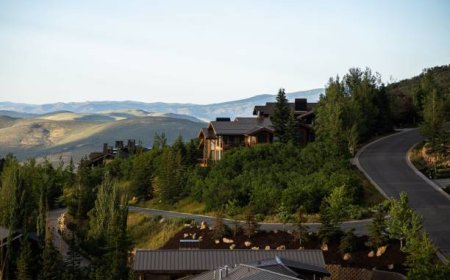



How to Use Mental Health Hikes in San Jose
How to Use Mental Health Hikes in San Jose In today’s fast-paced, digitally saturated world, mental well-being has become a critical component of overall health. Urban environments like San Jose, with their high cost of living, long commutes, and tech-driven pressures, can amplify stress, anxiety, and emotional exhaustion. Yet, nestled between Silicon Valley’s towering office complexes and sprawli

How to Use Mental Health Hikes in San Jose
In todays fast-paced, digitally saturated world, mental well-being has become a critical component of overall health. Urban environments like San Jose, with their high cost of living, long commutes, and tech-driven pressures, can amplify stress, anxiety, and emotional exhaustion. Yet, nestled between Silicon Valleys towering office complexes and sprawling suburbs lie vast natural corridorsparks, trails, and forested ridgelinesthat offer more than scenic beauty. They offer sanctuary. Mental health hikes in San Jose are not just walks in the park; they are intentional, therapeutic journeys designed to restore balance, quiet the mind, and reconnect individuals with the rhythms of nature. This guide provides a comprehensive, step-by-step framework for leveraging these outdoor experiences as a sustainable, evidence-based tool for emotional resilience and psychological recovery.
Unlike clinical interventions that require appointments and often come with stigma, mental health hikes are accessible, affordable, and deeply personal. They require no prescription, no insurance, and no specialized trainingonly the willingness to step outside, breathe deeply, and move with purpose. Whether youre managing daily stress, recovering from burnout, or simply seeking greater emotional clarity, integrating nature-based movement into your routine can yield profound, long-term benefits. This guide will show you how to design, execute, and sustain mental health hikes tailored to your needs in the unique landscape of San Jose.
Step-by-Step Guide
Step 1: Understand the Psychological Benefits of Nature Exposure
Before stepping onto a trail, its essential to understand why nature has such a powerful effect on mental health. Research from Stanford University, the University of Exeter, and the American Psychological Association consistently shows that spending time in green spaces reduces cortisol levels, lowers heart rate, and decreases ruminationthe repetitive negative thinking associated with depression and anxiety. The phenomenon is often referred to as attention restoration theory, which posits that natural environments engage our senses gently, allowing our overtaxed prefrontal cortex to rest and recover.
In San Jose, this science translates into real, tangible outcomes. Whether youre hiking the shaded trails of Alum Rock Park or ascending the ridgeline of Mount Umunhum, your brain receives signals of safety and calm. The rustling of leaves, the scent of eucalyptus, the sound of distant birdsongall act as natural anchors, pulling your attention away from digital overload and internal chatter. Recognizing this physiological shift is the first step toward intentional use of nature as a mental health tool.
Step 2: Define Your Intention for Each Hike
Not all hikes are created equal when it comes to mental health. A casual stroll differs significantly from a purposeful therapeutic walk. Before you leave your home, take five minutes to ask yourself: What do I need today? Are you seeking release from anxiety? Clarity after a difficult decision? A break from loneliness? Or simply a moment of quiet?
Write down your intention. Examples include:
- I need to release the tension from yesterdays meeting.
- I want to feel grounded after scrolling for hours.
- Im grieving and need space to feel without judgment.
Having a clear intention transforms your hike from a physical activity into a ritual. It primes your mind to notice what matterswhether its the texture of bark under your fingers, the way sunlight filters through oak trees, or the rhythm of your breath syncing with your steps. This mindfulness anchors the experience in psychological benefit rather than mere exercise.
Step 3: Choose the Right Trail for Your Mental State
San Jose offers an extraordinary variety of trails, each suited to different emotional needs. Selecting the right one is crucial.
For anxiety or overwhelm, choose low-elevation, shaded, and enclosed trails like the Alum Rock Park Loop. The dense canopy, gentle inclines, and consistent path create a sense of containment and safety. The parks water features and wildlifedeer, hummingbirds, and frogsoffer gentle distractions that quiet racing thoughts.
For depression or low energy, opt for trails with open vistas and sunlight, such as the Mount Umunhum Summit Trail. The gradual climb builds momentum, and the panoramic view from the topstretching from the Santa Cruz Mountains to the Baycan spark awe, a powerful antidote to emotional numbness.
For grief or emotional processing, visit Los Gatos Creek Trail during off-hours. Its linear, predictable path allows for uninterrupted reflection. The sound of flowing water provides a natural metronome for breathwork and emotional release.
For social isolation, consider group-friendly trails like the Guadalupe River Park Trail or Stevens Creek Trail, where you might encounter other walkers. You dont need to interactjust being in shared, quiet space can reduce feelings of alienation.
Use apps like AllTrails or Google Maps to filter trails by length, difficulty, and user reviews. Prioritize trails with well-maintained paths, clear signage, and accessible parking to reduce pre-hike stress.
Step 4: Prepare Mindfully, Not Just Physically
Preparation matters. A mental health hike isnt about packing the heaviest backpack or wearing the most expensive gear. Its about minimizing distractions and maximizing presence.
Before you go:
- Turn off notifications on your phone. If you must bring it, enable Do Not Disturb or airplane mode.
- Leave headphones at home unless youre using nature sounds or ambient audio designed for grounding (e.g., rainforest recordings). Music with lyrics can pull you back into mental chatter.
- Wear comfortable, weather-appropriate clothing. Moisture-wicking fabrics and supportive footwear prevent physical discomfort from becoming mental distraction.
- Bring water and a small snackdehydration and low blood sugar can mimic or worsen anxiety symptoms.
- Carry a journal or voice recorder if you feel moved to capture thoughts. Dont force itlet it be optional.
Set a timer if needed. For beginners, 3045 minutes is ideal. As you grow more comfortable, extend to 6090 minutes. The goal is not to complete the trail but to complete the internal process.
Step 5: Engage Your Senses on the Trail
Once on the trail, activate your senses deliberately. This is where the therapeutic power deepens. Use the 5-4-3-2-1 grounding technique:
- 5 things you can see: A moss-covered rock, a spiderweb glistening with dew, a red-tailed hawk circling, a patch of wildflowers, the curve of the trail ahead.
- 4 things you can touch: The rough bark of a coast live oak, the cool smoothness of a river stone, the softness of fern fronds, the breeze on your skin.
- 3 things you can hear: Distant footsteps of another hiker, the rustle of a squirrel in the brush, the wind moving through tall grass.
- 2 things you can smell: Damp earth after a light rain, the faint sweetness of blooming manzanita.
- 1 thing you can taste: The clean air, or a sip of water from your bottle.
Repeat this exercise every 1015 minutes. It interrupts autopilot thinking and brings you fully into the present. Youre not trying to fix anythingyoure simply observing, without judgment. This is mindfulness in motion.
Step 6: Practice Reflective Walking
As you walk, let your thoughts flow without resistance. If a difficult memory arises, dont push it away. Acknowledge it: I notice Im thinking about my argument with my partner. Then return to your breath. If a solution to a problem surfaces, dont chase it. Write it down later. The goal is not problem-solvingits emotional processing.
Try pairing your steps with your breath. Inhale for three steps, exhale for four. This rhythmic pattern calms the nervous system and creates a meditative cadence. Some hikers find it helpful to silently repeat a phrase: I am here, This too shall pass, or I am safe in this moment.
Let your pace be slow. A mental health hike is not a race. Aim for a pace where you can speak in full sentences without gasping. This ensures youre in the parasympathetic (rest and digest) state, not the sympathetic (fight or flight) state.
Step 7: Close the Hike with Intention
Dont end your hike by immediately pulling out your phone or rushing back to your car. Spend the last 510 minutes in stillness. Find a bench, a flat rock, or a quiet patch of grass. Sit. Breathe. Reflect.
Ask yourself:
- How do I feel now compared to when I started?
- What did I notice that surprised me?
- Did any thoughts or emotions shift?
If you brought a journal, jot down one sentence that captures your experience. It doesnt need to be profound. Today, the birds sounded louder than usual. Or, I felt lighter after the climb.
Then, take three deep breaths before standing. This small ritual signals to your brain that the experience is completeand that the benefits are being integrated.
Step 8: Integrate the Experience Into Daily Life
The real transformation happens not on the trail, but after. A single hike wont cure chronic stress. Consistency will.
After your hike, try one of these integration practices:
- Five-minute morning pause: Before checking your phone, sit by a window and breathe for five minutes, recalling the feeling of the trail.
- Nature imagery visualization: At work, close your eyes for 60 seconds and picture your favorite trail. Focus on the sounds and smells.
- Weekly trail reflection: Every Sunday, review your hike notes. What patterns emerge? When did you feel most at peace? When did resistance arise?
Over time, your brain begins to associate nature with safety and calm. Even the sight of a tree outside your window can trigger a micro-relaxation response. This is neuroplasticity in actionyour mind rewiring itself toward resilience.
Best Practices
Consistency Over Duration
One 90-minute hike per week is more effective than two 5-hour hikes every other month. Regular, shorter exposures build cumulative benefits. Aim for at least three 30-minute nature walks per week. Even a 15-minute break in a local park during lunch can reset your nervous system.
Seasonal Adaptation
San Joses Mediterranean climate allows for year-round hiking, but each season offers unique therapeutic qualities. In spring, the wildflower blooms in the Santa Cruz Mountains can spark joy and renewal. Summers long evenings invite contemplative walks as the sun dips below the hills. Autumns crisp air and golden leaves encourage gratitude. Winter rains bring mist and quiet, ideal for introspection.
Adjust your trail choices accordingly. In summer, hike early morning or late afternoon to avoid heat. In winter, bring a light rain jacketwet earth smells like renewal.
Walk Alone, But Not Always
While solitude is powerful for processing emotions, occasional group hikes can combat loneliness. Consider joining a local nature therapy group like San Jose Nature Walkers or Mindful Hikers Bay Area. These are not therapy groupstheyre peer-led gatherings focused on shared presence, not discussion. The quiet companionship can be deeply healing.
Respect the Environment, Respect Yourself
Mental health hikes are most effective when theyre rooted in reverence. Stay on marked trails. Dont pick flowers or disturb wildlife. Leave no trace. When you honor the natural space, you reinforce your own sense of dignity and care. Youre not just taking from natureyoure participating in a reciprocal relationship.
Avoid Performance Mindset
Dont track your steps, distance, or calories. Dont compare your pace to others. Dont feel pressure to get a good view or post a photo. This isnt fitness. Its healing. Let go of metrics. Your only goal is to feel more whole when you return.
Use Hikes as a Replacement, Not a Supplement
Some people treat mental health hikes as bonus self-care on top of therapy or medication. Thats finebut the most powerful results come when hikes become the primary tool. If youre on medication, continue it. But let nature be your daily anchor. If youre in therapy, bring your hike experiences into sessions. Many therapists now incorporate ecotherapy into treatment plans.
Recognize When to Pause
There will be days when even the thought of hiking feels overwhelming. Thats okay. On those days, sit by an open window. Watch the clouds. Listen to rain. Breathe. Natures healing doesnt require movementit requires presence.
Tools and Resources
Trail Mapping and Planning
Use these free, reliable tools to plan your hikes:
- AllTrails Filter by difficulty, length, user ratings, and features like dog-friendly or waterfall.
- Google Earth Use the 3D terrain view to preview elevation changes and trail layouts before you go.
- San Jose Parks & Recreation Website Official maps, trail closures, and event calendars for city-managed parks.
Guided Nature Meditation Apps
While the goal is to disconnect, some apps offer gentle, non-intrusive audio guides:
- Insight Timer Search nature meditation for 1020 minute sessions with ambient sounds.
- Calming Nature Offers 4K video and audio walks you can listen to before or after your hike to prime your senses.
Journaling Prompts for Post-Hike Reflection
Keep a dedicated journal for your mental health hikes. Use these prompts:
- What did I notice today that I usually overlook?
- Where did I feel the most peace? The most resistance?
- Did any memories surface? What did they teach me?
- What did nature show me about my current emotional state?
- If this trail had a message for me, what would it be?
Community Resources
San Jose has several organizations that support nature-based wellness:
- San Jose Tree Foundation Offers volunteer tree planting days, which combine physical activity with community connection and environmental stewardship.
- California Native Plant Society Santa Clara Valley Chapter Hosts guided walks focused on native flora, fostering deep ecological awareness and calm.
- Los Gatos Creek Trail Conservancy Maintains the trail and occasionally offers quiet walking groups.
These are not clinical servicestheyre community spaces rooted in shared appreciation for nature. Participation is optional, but presence is powerful.
Books for Deeper Understanding
Expand your knowledge with these titles:
- The Nature Fix by Florence Williams Explores the science behind natures impact on the brain.
- Forest Bathing by Dr. Qing Li Introduces the Japanese practice of Shinrin-yoku, a cornerstone of nature therapy.
- When the Body Says No by Dr. Gabor Mat Connects emotional repression with physical and mental illness, and the healing power of presence.
Real Examples
Example 1: Maria, Software Engineer, Age 32
Maria worked 60-hour weeks in a high-pressure tech role. She began experiencing panic attacks during Zoom calls and couldnt sleep. Her therapist suggested she try nature walks. She started with 20-minute walks in Alum Rock Park after work. At first, she felt restless. But after three weeks, she noticed she stopped checking her phone during lunch. She began using the 5-4-3-2-1 technique on the trail. After two months, her panic attacks decreased by 70%. She now hikes three times a week and credits the trails with saving her careerand her sanity.
Example 2: James, Retired Teacher, Age 68
After losing his wife, James withdrew. He stopped cooking, stopped answering calls. His daughter convinced him to try the Guadalupe River Trail. He went alone, slowly, for 15 minutes. He didnt talk. He just walked. One day, he saw a heron standing still in the water. He sat for 20 minutes watching it. He didnt cry. He just felt present. He now walks the trail every Tuesday and Thursday. He says, The river didnt fix my grief. But it taught me how to sit with it.
Example 3: Aisha, College Student, Age 19
Aisha struggled with social anxiety and felt isolated on campus. She joined a student-led Mindful Walks group that met on Stevens Creek Trail every Sunday. She didnt speak much at first. But being around others who were also quiet, present, and non-judgmental made her feel less alone. After six weeks, she started volunteering at a local garden. She says, I didnt know I needed to be around people who werent trying to fix me. The trail gave me that.
Example 4: Carlos, Single Father, Age 41
Carlos juggled two jobs and parenting two young children. He felt constantly drained. He began taking his 7-year-old daughter on short hikes in Kelley Park after dinner. They didnt talk. They just walked. He noticed her pointing at ladybugs, laughing at clouds. He started noticing them too. I forgot what wonder felt like, he says. Now, they hike every weekend. His anxiety has lessened. His daughter is calmer. Theyve built a quiet, unspoken bond through nature.
FAQs
Do I need to be physically fit to do mental health hikes?
No. Mental health hikes are not about fitness. A slow walk around a local pond, a 10-minute loop in a neighborhood park, or even sitting under a tree counts. The goal is presence, not pace or power.
Can I do this with my kids or partner?
Absolutely. Shared nature time builds connection without pressure to talk. Just agree beforehand to minimize conversation and focus on sensory awareness. Many families report improved communication and reduced conflict after starting regular nature walks together.
What if I live in a part of San Jose without easy trail access?
You dont need mountains to benefit. Even small green spaces help. Visit Rosicrucian Park, the Japanese Friendship Garden, or the San Jose City College Arboretum. A single tree in a courtyard, a patch of grass by your apartment, or a window box with herbs can serve as a micro-sanctuary. Focus on sensory engagement, not location.
Is this a replacement for therapy or medication?
It can be a powerful complementbut not always a replacement. If youre experiencing severe depression, PTSD, or suicidal thoughts, seek professional support. Mental health hikes are not a cure-all. But for mild to moderate stress, anxiety, and emotional fatigue, they are one of the most effective, underutilized tools available.
What if I feel silly or self-conscious walking alone?
Thats normal. Many people feel this way at first. Remind yourself: Youre not doing anything strange. Youre healing. Most people on trails are focused on their own experience. No one is judging you. If it helps, wear headphones playing nature sounds (not music) to signal youre in a reflective state.
How long until I feel the benefits?
Some feel calmer after one hike. Others need several weeks. The key is consistency. Think of it like watering a plantyou dont see growth immediately, but over time, roots strengthen and the plant thrives.
Can I do this in bad weather?
Yesoften, the most healing hikes happen in rain or mist. Wet earth smells like renewal. Rain on leaves is natures white noise. Just dress appropriately. A light rain jacket and waterproof shoes can turn a rainy day into a deeply soothing experience.
Is there a best time of day to hike?
Early morning offers quiet and cool air, ideal for clearing mental fog. Late afternoon provides golden light and a sense of closure to the day. Avoid midday heat in summer. Choose the time that aligns with your energy and schedule. The best time is the one youll actually do.
Conclusion
Mental health hikes in San Jose are not a trend. They are a return to something ancient and essential: the human need to move through nature, to breathe with the earth, to find stillness amid motion. In a city known for innovation and acceleration, these trails offer something rarer: slowness. Presence. Peace.
This guide has shown you how to transform a simple walk into a profound act of self-care. Youve learned to set intention, choose the right path, engage your senses, and integrate the experience into daily life. Youve seen real stories of people who found healing not in a clinic, but on a dirt trail beneath a canopy of oaks.
Now, its your turn. Put on your shoes. Turn off your phone. Step outside. The trails are waitingnot to fix you, but to remind you that you are already whole. You are part of this land. You belong here. And sometimes, the most radical thing you can do is walk, quietly, and let the earth hold you.