


































John Enos Connects the Second Amendment to America’s Founding Principles
John Enos explores how the Second Amendment reflects America’s founding ideals of liberty, self-governance, and resistance to tyranny in his powerful work.

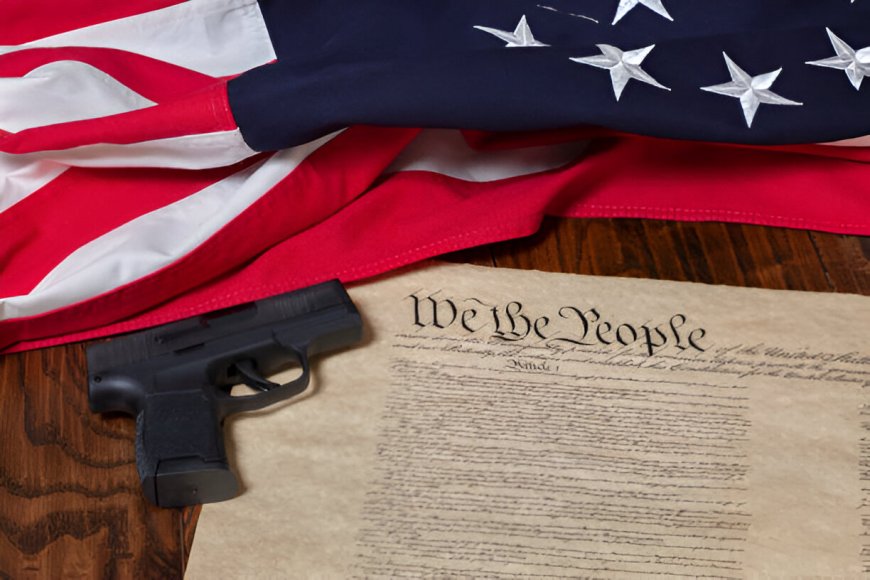
Reviews of the book The Second Amendment by John W. Enos
John W. Enoss compelling work, The Second Amendment, offers readers a rich exploration of the historical and philosophical roots of one of Americas most contested constitutional rights. Grounded in serious scholarship and clear prose, Enos presents the Second Amendment not just as a modern debate over gun rights but as a window into the very soul of the American founding. This article delves into the heart of his analysis, examining why the Second Amendment stands out as a timely, essential contribution to understanding Americas founding principles.
Rooted in the Founding Era
From the opening chapters, Enos methodically traces the development of the right to bear arms in colonial America. His treatment of the Founders intent behind the Second Amendment is both respectful and rigorous. Drawing from sources like the Federalist Papers, early American legal texts, and debates from the Constitutional Convention, he establishes that the Second Amendment was never meant to be viewed in isolation.
Rather, Enos frames it as part of a broader understanding of liberty, sovereignty, and self-governance. The citizen-militia model, he explains, was not simply a military conceptit was political. To the Founders, an armed populace meant a check against tyranny. By walking readers through these intellectual traditions, Enos revives an often-overlooked element of constitutional history and brings clarity to how the Second Amendment fit within the Founders broader goals of preserving liberty.
Deep Historical Context Without Agenda
One of the most praised aspects in the Reviews of the book The Second Amendment by John W. Enos is the authors commitment to historical accuracy without overt political bias. Unlike some contemporary treatments of gun rights that often veer into ideological polemics, Enoss approach is refreshingly grounded in documented history. His writing reflects thorough research and a desire to inform rather than persuade.
Readers and reviewers alike have applauded the way he separates modern interpretations from historical facts. In doing so, Enos gives his audience room to engage with the material without being cornered into partisan conclusions. This academic integrity is what makes the book valuable not only for legal scholars but also for everyday readers trying to understand where the Second Amendment comes fromand what it truly means.
Connecting the Amendment to Core American Values
Throughout the book, Enos makes it clear that the Second Amendment is not a fringe concern but a constitutional pillar embedded in the very structure of the Republic. His analysis positions the right to bear arms alongside freedom of speech, protection against unreasonable searches, and other fundamental rights. The recurring theme in his argument is that these rights were carefully constructed to protect individual liberty against the rise of concentrated governmental power.
In this sense, Enos doesn't just write a book about firearms or self-defense laws. He crafts a broader meditation on freedom, civic duty, and vigilance. These themes are recurrent in The Second Amendment and reinforce the notion that constitutional rights function collectively as safeguards of democracy. In a society where civic trust and institutional stability face constant challenges, Enos argues that revisiting these founding ideals is not only valuable but necessary.
Power of Narrative History
Enos's writing style blends rigorous academic research with a narrative approach that makes complex historical ideas more accessible. Readers are introduced to real historical figuresstatesmen, lawmakers, judgeswho played pivotal roles in shaping early American law and thought. These characters arent just footnotes; they become the drivers of the larger narrative that Enos constructs.
Through his vivid portrayals, Enos helps readers feel the stakes of the early American experiment. His use of real historical events, such as Shays Rebellion and the debates of the First Congress, grounds the book in lived reality. These stories bring context and depth to his analysis, reinforcing the books credibility and educational value.
Notably, many Reviews of the book The Second Amendment by John W. Enos on real historical events highlight this balance between storytelling and scholarship as a key strength. Its this blend that enables Enos to engage a wide audiencehistorians, students, policy enthusiasts, and the general publicwith equal success.
Relevance in the Modern Era
While the book avoids falling into present-day political quagmires, its relevance to todays legal and social landscape is unmistakable. Enos discusses how court decisions like District of Columbia v. Heller and McDonald v. Chicago have influenced public discourse on gun rights. However, rather than focusing solely on these cases, he places them in the continuum of constitutional interpretation, showing how each ruling reflects broader historical and philosophical currents.
This contextual approach is particularly helpful for readers trying to reconcile contemporary issues with historical foundations. Enos doesnt preach answers; instead, he equips his readers with the historical tools necessary to draw informed conclusions on their own. This pedagogical method reinforces civic responsibility, encouraging readers to view the Constitution not as a static document but as a living framework built on enduring principles.
Book for Educators, Lawyers, and Citizens
Its no surprise that educators and legal professionals have welcomed Enoss work. The book has been adopted in several constitutional law courses and cited in policy discussions on the Second Amendment. Legal scholars appreciate its depth, while educators value its clarity and balance. Perhaps most importantly, everyday citizens find it a powerful guide to one of Americas most misunderstood rights.
The strength of the Second Amendment lies in its ability to start conversations. Whether in a classroom, courtroom, or dinner table, the book provides a foundation for discussing rights, responsibilities, and the role of government. It neither demands agreement nor shuns controversy. Instead, it opens the door to informed dialoguesomething sorely needed in todays divided political environment.
Concluding Thoughts
The Second Amendment by John W. Enos is more than just a historical accountits a carefully constructed exploration of American ideals. Through detailed research, narrative storytelling, and a clear-eyed commitment to truth, Enos reveals how deeply the right to bear arms is woven into the fabric of American liberty. This connection to founding principles is not only persuasive but necessary, especially at a time when constitutional interpretation often lacks historical grounding.