
































Key Benefits of Strong Communication Skills for Nurses
Discover the key benefits of strong communication skills for nurses. Learn how effective communication enhances patient care, teamwork, and career growth in nursing.
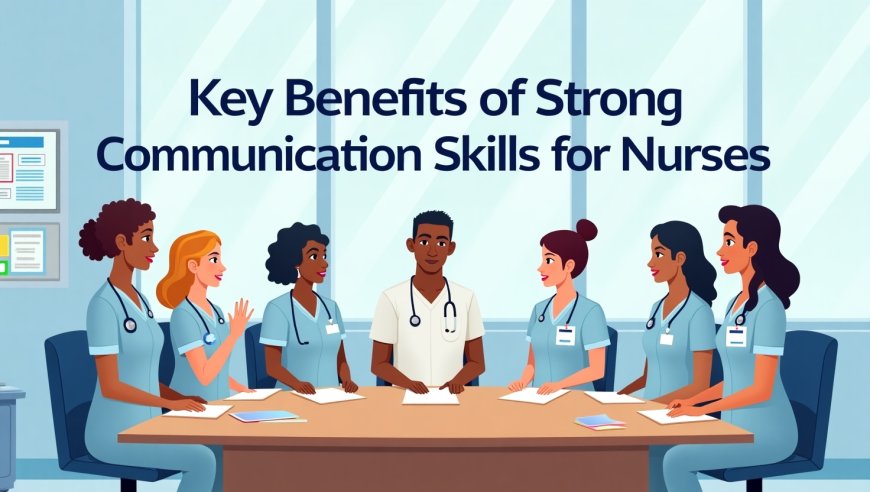
In the world of healthcare, communication isnt just a soft skill its a life skill. Nurses, in particular, depend on clear, compassionate, and effective communication to provide the best care possible. Whether theyre talking to patients, explaining medication to families, or coordinating with doctors, strong communication is what keeps everything flowing smoothly in a hospital or clinic.
For anyone pursuing a nursing course, its worth understanding why communication matters so deeply in nursing practice. Lets explore the key benefits of strong communication skills for nurses and why these skills shape their daily work and patient outcomes.
1. Builds Trust and Comfort with Patients
Imagine lying in a hospital bed, unsure about your diagnosis or treatment plan. In these moments, a nurses words can bring immense comfort. Nurses who communicate clearly and kindly help patients feel safe and reassured. When patients trust their nurses, theyre more likely to share important details about their symptoms, concerns, or lifestyle. This openness enables nurses to provide care thats truly tailored to the patients needs.
Patients dont just remember medical treatments; they remember how a nurse made them feel. A simple phrase like, Im here for you, let me know if you need anything, builds trust, calms anxiety, and makes hospital stays far less stressful.
2. Ensures Accurate Patient Care
Nurses deal with a lot of critical information each day medication doses, symptoms, allergies, doctors notes, and care instructions. Strong communication ensures that this information is passed on accurately without misunderstandings.
For instance, during shift changes, nurses conduct handover reports to update the incoming team about each patients status. If this handover is rushed or unclear, theres a real risk of medication errors or missed symptoms. Thats why effective communication isnt just about talking its about ensuring what is said is understood clearly.
3. Strengthens Team Collaboration
Healthcare is never a one-person job. Nurses work alongside doctors, physiotherapists, lab technicians, dieticians, and cleaning staff. Strong communication skills help nurses coordinate efficiently with everyone involved in patient care.
Lets say a nurse notices a sudden drop in a patients blood pressure. They need to inform the doctor immediately and also update other nurses or support staff to manage the patient. Clear, concise communication in these situations can save lives.
Effective team communication reduces confusion, improves workflows, and creates a supportive environment where everyone works towards the same goal patient well-being.
4. Enhances Patient Education
One of the important roles of nurses is patient education. Patients often have questions about their medications, post-discharge care, diet restrictions, or wound care. Nurses need to explain these in simple language without overwhelming patients.
For example, if a diabetic patient is being discharged, the nurse may need to teach them how to check their blood sugar, administer insulin, and adjust diet accordingly. This requires patience, empathy, and excellent communication.
Those pursuing a nursing course learn the importance of using non-technical language, body language, and visual aids to educate patients effectively. When patients understand their care instructions, theyre more likely to follow them, reducing complications and re-admissions.
5. Prevents Workplace Conflicts
Like any workplace, hospitals arent free from misunderstandings. Poor communication between colleagues can lead to frustration, stress, and errors. Nurses with strong communication skills are better at managing conflicts calmly and professionally.
They know how to express concerns respectfully, listen actively, and resolve differences without creating tension. For instance, if two nurses disagree about a care plan, good communication helps them discuss it openly, find a solution, and continue working harmoniously.
6. Supports Emotional Wellbeing of Patients
Nurses often witness patients at their most vulnerable moments after surgeries, during chronic illnesses, or in critical care. A comforting word, active listening, or just being present makes patients feel valued and heard.
A nurse once shared how a simple conversation with an elderly patient about her family made her smile for the first time in days. Such moments remind patients theyre more than their illness. Effective communication nurtures this human connection, which is a big part of holistic care.
7. Boosts Confidence and Professional Growth
Strong communication skills also empower nurses in their career. Confident communicators can advocate better for their patients, participate actively in team meetings, and even move into leadership roles like nurse educators or managers.
During a nursing course, students often practice communication through roleplays, patient counselling sessions, and presentations. These experiences build confidence to handle real-world scenarios with ease.
8. Improves Patient Safety
Patient safety is the backbone of nursing practice. Many errors in healthcare happen due to poor communication whether its a missed allergy note, unclear dosage instruction, or incomplete handover. Nurses with effective communication skills ensure nothing slips through the cracks.
They clarify doubts without hesitation, cross-check information, and communicate any changes promptly. This vigilance prevents errors and ensures the highest standards of patient safety are maintained.
9. Helps in Managing Stressful Situations
Healthcare can be unpredictable. From emergency admissions to sudden patient deterioration, nurses often work under pressure. Strong communication skills help them stay composed, delegate tasks effectively, and keep everyone informed without creating panic.
For example, during a code blue (cardiac arrest), nurses must communicate swiftly and clearly to coordinate CPR, medications, and equipment setup. Their ability to communicate under stress directly impacts patient survival and team efficiency.
10. Promotes Better Documentation
Written communication is as important as verbal communication in nursing. Nurses maintain patient charts, medication records, and care plans daily. Clear and precise documentation ensures continuity of care and legal safety for both patients and healthcare professionals.
A note that simply says patient better today isnt as useful as patient reports reduced pain from 7 to 3 on scale, vitals stable, ambulated for 10 minutes with assistance. Effective written communication makes information meaningful for everyone involved.
Conclusion
Strong communication skills are an essential asset for every nurse. From building trust with patients to ensuring team collaboration and patient safety, communication forms the backbone of nursing practice. For those planning to pursue a nursing course, its important to remember that medical knowledge alone isnt enough. Being able to connect, explain, comfort, and coordinate effectively is what truly defines excellent nursing care.
Healthcare isnt just about treatments and tests its about people. And when nurses communicate with clarity, empathy, and confidence, they create healing environments where patients feel cared for, families feel reassured, and teams work as one.
If healthcare is a symphony, nurses are the conductors who keep it harmonious through their words and actions.