

























Pakistani Ready to Wear: Tradition and Modernity
Traditionally, pakistani ready to wear women preferred unstitched fabrics that could be customized by local tailors to fit personal tastes and measurements.

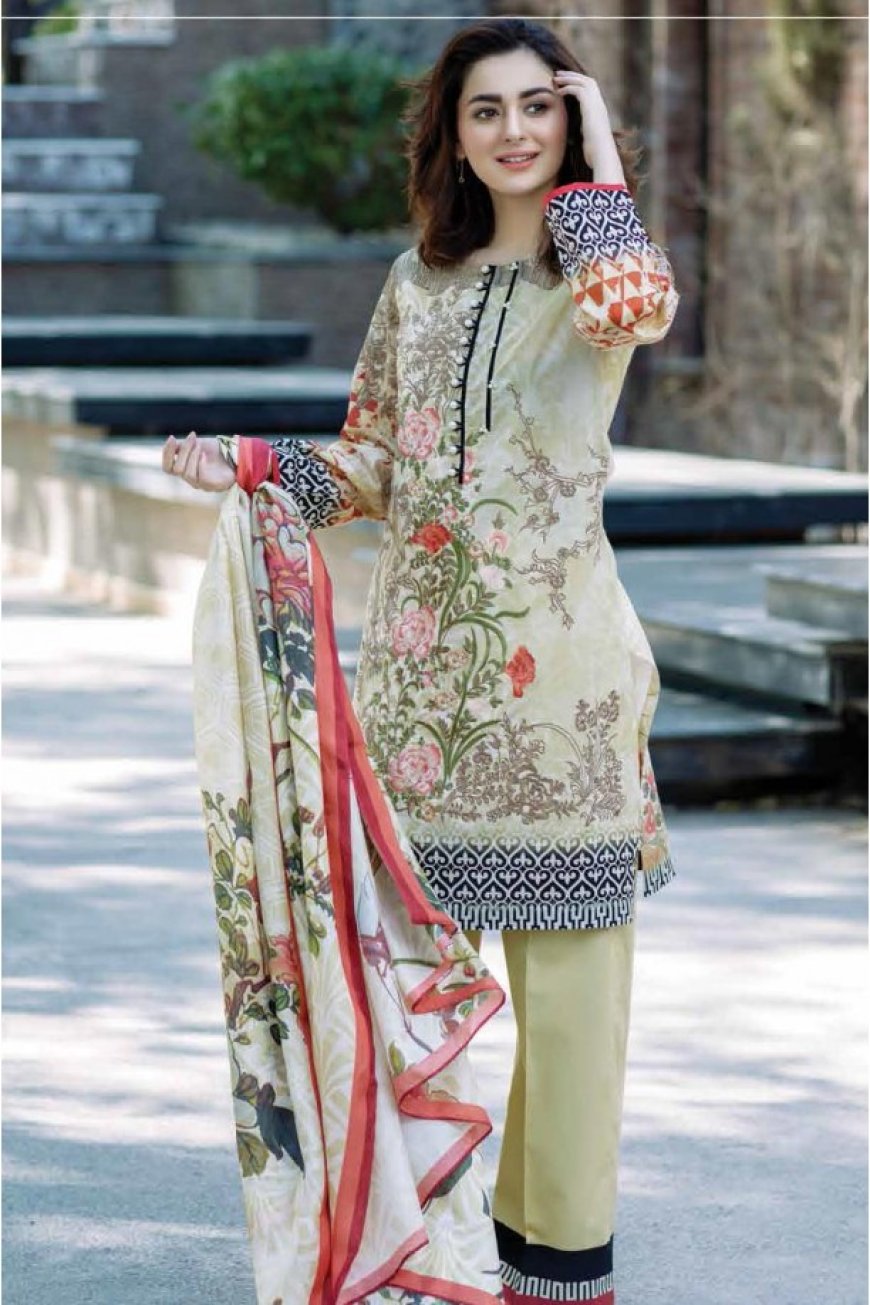
In recent years, Pakistani ready to wear fashion has evolved into a dynamic segment of the country's textile and apparel industry. With the rising demand for convenience, affordability, and style, ready-to-wear clothing has carved a niche for itself among fashion-forward women in Pakistan and abroad. Unlike unstitched fabric, which requires additional tailoring and time investment, ready-to-wear garments offer immediate access to trendy, well-finished ensembles that align with the latest seasonal and cultural trends.
The Rise of Ready to Wear in Pakistan
Traditionally, pakistani ready to wear women preferred unstitched fabrics that could be customized by local tailors to fit personal tastes and measurements. However, urbanization, increasing numbers of working women, and changing lifestyles have contributed to a shift in consumer behavior. The demand for quick, stylish, and high-quality garments sparked the boom of ready-to-wear fashion in Pakistan, especially over the last two decades.
Brands like Khaadi, Sana Safinaz, Generation, Zara Shahjahan, Beechtree, and Limelight capitalized on this trend by launching extensive ready-to-wear collections that feature a wide variety of designsranging from casual lawn kurtas to formal silk and chiffon outfits.
Convenience Meets Style
One of the biggest appeals of Pakistani ready-to-wear clothing is its convenience. Shoppers no longer need to go through the hassle of selecting fabric, visiting tailors, and enduring fitting sessions. Whether you're a student, a working professional, or a busy mother, ready-to-wear outfits save time without compromising on fashion.
Moreover, ready-to-wear lines often include seasonal collections, capsule wardrobes, festive editions, and limited-time collaborations with celebrities or designers. This variety ensures there's always something fresh and exciting in-store or online for every type of customer.
A Canvas of Cultural Expression
Pakistani ready-to-wear is not merely about easeits also a celebration of cultural heritage. Traditional embroidery techniques such as zardozi, gota, ari, and mirror work are frequently incorporated into contemporary cuts and silhouettes. Designers often take inspiration from regional art, Mughal motifs, tribal patterns, and floral designs that resonate deeply with local identity.
These clothes often serve as a bridge between generations. While younger audiences might prefer short kurtis with jeans or culottes, older women find elegance in long shirts paired with straight trousers or shalwars. The beauty of ready-to-wear in Pakistan lies in its ability to accommodate both.
Affordable Luxury for the Masses
Another defining characteristic of Pakistani ready-to-wear fashion is its affordability. While luxury pret labels like lan and Sania Maskatiya cater to premium buyers, many mid-tier and budget-friendly brands offer trendy yet economical pieces for the everyday woman. This democratisation of fashion allows women from various social backgrounds to enjoy the experience of stylish dressing without breaking the bank.
Seasonal sales, Eid discounts, and mid-year promotions further enhance accessibility, encouraging more women to switch to ready-made options. Online platforms and e-commerce stores have played a significant role in broadening this reach, offering delivery across the country and even internationally.
Evolving Trends in Ready to Wear
Pakistani fashion is always in motion. Current ready-to-wear trends reflect a shift towards minimalism, pastel tones, monochrome palettes, and breathable fabrics. Cotton net, cambric, khaddar, lawn, and silk are among the most favored materials, depending on the season.
Design-wise, high-low hemlines, boxy silhouettes, flared sleeves, and asymmetrical cuts are dominating the market. Fusion fashion is also making wavesmixing Eastern embroidery with Western tailoring, like wrap shirts with gota accents or tunics with mirror work paired with pants or culottes.
Sustainability is another emerging focus. Some brands are now incorporating eco-friendly practices such as low-waste cutting, use of organic fabrics, and ethical labor policiescatering to a new generation of conscious consumers.
Global Recognition and Diaspora Appeal
The appeal of Pakistani ready-to-wear extends far beyond the country's borders. The South Asian diaspora in the UAE, UK, USA, Canada, and Australia actively seeks stylish yet culturally rooted clothing for events, festivals, and daily wear. As a result, many Pakistani brands now offer international shipping and operate physical stores in key global cities.
Fashion exhibitions and trunk shows are also popular among overseas Pakistanis. These events give buyers direct access to the latest collections while promoting Pakistani craftsmanship on a global platform.
Challenges and Opportunities
Despite its growth, the ready-to-wear segment in Pakistan still faces challenges. Counterfeit products, inconsistency in sizing, limited plus-size offerings, and quality control issues are common concerns voiced by customers. Moreover, the growing number of brands entering the market has made it a competitive space, where only innovation and quality can guarantee long-term success.
Final Thoughts
Pakistani ready to wear is a powerful representation of how tradition can harmoniously coexist with contemporary needs. It allows women to dress elegantly and effortlessly while staying connected to their roots. With its blend of heritage, modern design, and accessibility, ready-to-wear fashion is not just a trendits a cultural evolution reshaping the way Pakistani women present themselves to the world.