





























Roof Installation Cost Breakdown: What You’re Really Paying For
When it’s time to replace or install a new roof, one of the first questions homeowners ask is, “How much is this going to cost me?” While a quick internet search may give you a ballpark figure, the truth is—roof installation costs are more layered than most people realize.

When its time to replace or install a new roof, one of the first questions homeowners ask is, How much is this going to cost me? While a quick internet search may give you a ballpark figure, the truth isroof installation costs are more layered than most people realize.
Whether you're budgeting for a new build or replacing a decades-old roof, understanding what you're paying for can help you make smarter, more confident decisions. This guide from roofing experts at NotJustRoofs will break down the real costs involved, where your money goes, and how to avoid overpaying.
What Is the Average Cost of Roof Installation?
Before we dive into details, lets look at the national average. In 2025, homeowners typically spend anywhere from $7,500 to $25,000 on a new roof. Why such a wide range? Because roof installation costs depend on multiple factors: materials, labor, roof size, complexity, local labor rates, and even the time of year.
Keep in mind: cheaper isn't always better. Going with the lowest bid might save money upfront, but it can cost more long-term in repairs, energy bills, or early replacement.
1. Roofing Materials The Biggest Cost Driver
The type of roofing material you choose can account for 40-60% of the total cost.
Most common options:
-
Asphalt shingles $100 to $150 per square (100 sq ft)
-
Metal roofing $300 to $900 per square
-
Clay or concrete tiles $600 to $1,000 per square
-
Slate $800 to $2,000 per square
Each material varies in terms of durability, weather resistance, aesthetics, and longevity. Asphalt is the most affordable but needs replacing sooner. Metal and slate are pricier but may last 50+ years.
2. Labor Costs Skilled Work Youre Paying For
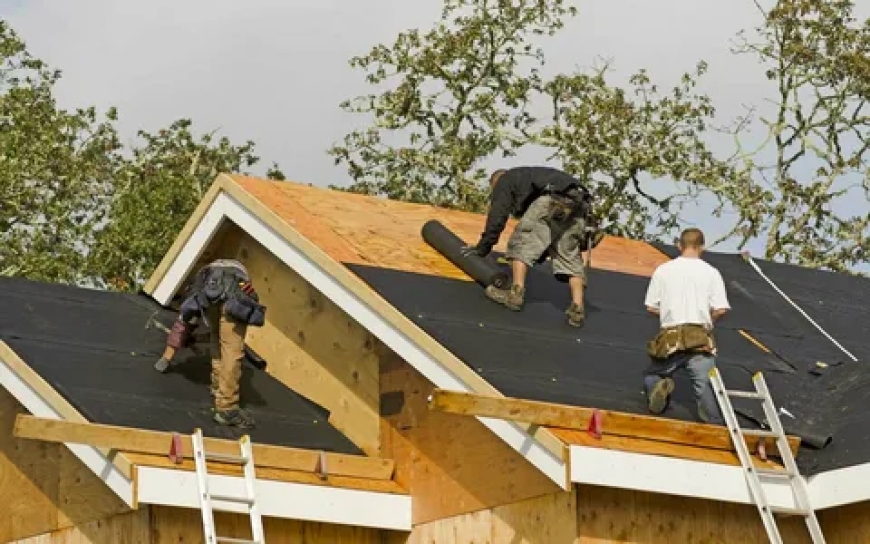
Labor accounts for 25-40% of your roof installation cost. This includes:
-
Removing the old roof (if replacing)
-
Preparing the deck
-
Installing underlayment and flashing
-
Laying the roofing material
-
Ensuring proper ventilation and insulation
-
Final inspection and clean-up
Experienced roofers charge morebut they also ensure your roof is properly installed to avoid leaks, mold, or structural issues down the line.
3. Roof Size and Pitch Bigger Isnt Always Better
The larger your roof, the more material and labor are required. But pitch (slope) is also important. Steep or multi-level roofs are harder to work on, which raises labor costs due to safety measures and longer installation time.
Heres how:
-
Flat to low-pitch: Easier to install, lower cost
-
Medium pitch (4/12 to 6/12): Moderate difficulty
-
High pitch (above 6/12): Higher cost due to special safety gear and extra time
So, even a small house with a high-pitched roof can cost more than a large home with a low slope.
4. Removal and Disposal The Hidden Expense
If you're replacing an old roof, tear-off costs can range from $1 to $5 per square foot. This involves:
-
Stripping old shingles
-
Repairing underlying damage (rotted decking, moisture)
-
Hauling away debris
Some contractors include this in their estimate, others dontso ask specifically if it's itemized in your quote.
5. Additional Features Add-Ons That Add Up
Modern roof installations often include optional but valuable add-ons:
-
Ice and water shield: Prevents leaks from ice dams
-
Flashing replacement: Protects roof valleys and edges
-
Ridge vents: Improve airflow and attic health
-
Gutter replacement: Often done with the roof
Each add-on can cost a few hundred dollars more, but skipping them might reduce performance and lifespan.
6. Permits and Inspections City Costs You Cant Skip
Depending on where you live, you may need permits for roof work, especially if youre doing a full replacement. These can cost $150 to $500, depending on your local regulations. Some towns also require a post-installation inspection.
A licensed contractor like NotJustRoofs will typically handle these for youbut it's always good to confirm this upfront.
7. Season and Location Timing Affects Price
Believe it or not, when you install your roof matters. Spring and summer are peak roofing seasons, which means higher prices and longer wait times. Off-season (fall or winter in some regions) may offer discounts or quicker scheduling.
Also, urban areas or states with strict building codes (like California or Florida) will have higher roofing costs due to material regulations and labor demand.
Why Roof Installation Is a Worthy Investment
Yes, its a major expensebut quality roof installation pays off. A well-installed roof:
-
Boosts home value
-
Reduces energy bills
-
Protects against storms and water damage
-
Lasts 2050 years depending on material
-
Lowers insurance premiums in some cases
Skimping on roofing is like putting cheap tires on a Ferrariit might move, but it's not built to last.
Summary: Where Your Money Goes
|
Cost Component |
Percentage of Total Cost |
|
Materials |
4060% |
|
Labor |
2540% |
|
Tear-Off & Disposal |
510% |
|
Permits & Inspections |
25% |
|
Add-Ons & Features |
510% |
Understanding these numbers ensures youre not just comparing pricesbut comparing value.
5 Most Asked Questions About Roof Installation Costs
1. Can I finance a roof installation?
Yes, many roofing companiesincluding NotJustRoofsoffer financing plans. You can also use home improvement loans or lines of credit.
2. Will insurance cover roof installation?
Only if the roof was damaged by a covered event (like a storm). Wear and tear or age isnt typically covered.
3. Whats the cheapest roofing material?
Asphalt shingles are the most budget-friendly option, but they usually last 1525 years, compared to longer-lasting materials like metal or tile.
4. How do I avoid hidden costs?
Ask for a detailed, itemized estimate before agreeing to a contract. Clarify if tear-off, disposal, permits, and inspections are included.
5. Is it worth paying more for better materials?
Absolutely. Spending more upfront on durable, energy-efficient roofing can save thousands over the roofs lifespan in repairs, cooling costs, and replacements.
Final Thoughts
Roof installation isnt just a one-line invoice. Its a mix of material, skill, design, safety, and local regulations. By understanding where your money is going, youll feel more confident and preparedand less likely to fall for the lowest bid trap.
Whether youre ready to install or just doing homework, take your time to research, ask questions, and get a few estimates. And if youre looking for a trusted partner, NotJustRoofs offers transparent pricing, professional workmanship, and peace of mind every step of the way.