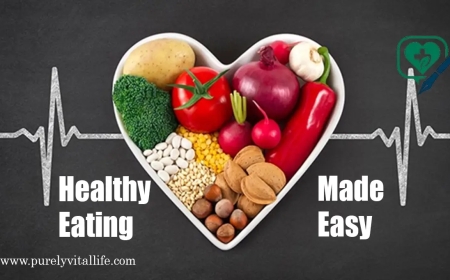


































The Rise of Organic Foods: A Healthier, Safer, and More Sustainable Choice
Furthermore, the production of organic foods is environmentally sustainable. Organic farming practices reduce pollution, conserve water, and use less energy. Farmers who grow organic crops also tend to rotate crops more often and use composted manure, which improves soil health over time.


Introduction to Organic Foods
In todays fast-paced world, people are becoming increasingly health-conscious. One of the most significant trends in this shift is the rising demand for organic foods. These are foods that are produced without synthetic fertilizers, harmful pesticides, genetically modified organisms (GMOs), or artificial additives. As more individuals and families seek clean, nutritious, and chemical-free options, organic foods have become a staple in many kitchens around the world.
Unlike conventional products, organic foods are grown and processed using environmentally friendly methods that promote soil health, biodiversity, and ecological balance. This ensures that what we consume is not just good for our bodies, but also beneficial for the planet. With growing awareness, terms like "organic farming" and "natural food choices" are no longer nichethey are part of mainstream conversations around health and sustainability.
Why Organic Foods Are Gaining Popularity
One of the main reasons people are turning to organic foods is the potential health benefits. Many believe that these products are richer in essential nutrients, such as antioxidants, vitamins, and minerals, compared to conventionally grown foods. Organic fruits and vegetables are often fresher because they do not contain preservatives to extend shelf life. Additionally, organically raised animals are not given antibiotics or growth hormones, making meat, dairy, and eggs healthier options.
Another compelling reason behind the popularity of organic foods is the reduced exposure to harmful chemicals. Regular consumption of pesticide-laden produce can have long-term effects on health, especially in children. Organic products minimize this risk, making them a preferred choice for families who prioritize wellness.
Understanding the Market Shift
In recent years, the demand for organic foods has seen exponential growth in countries like the USA, Canada, and many parts of Europe. Now, even countries in South Asia, including Pakistan, are witnessing a steady rise in organic product consumption. More local farmers and brands are entering this niche market to meet the growing demand for clean and sustainable food options.
As the popularity grows, organic food sections in supermarkets are expanding, and many online platforms are offering home delivery of fresh organic vegetables, fruits, meats, and grains. Consumers are also becoming more educated, checking for certification labels and understanding what it means for a product to be truly organic.
While the organic food market still faces challenges such as higher pricing, limited availability in rural areas, and certification complexities, the trend shows no signs of slowing down. The benefits outweigh the costs for many people who view food as medicine and want to make informed dietary choices.
Organic Foods vs. Other Natural Supplements
While discussing organic foods, it's essential to recognize that other natural health supplements are also gaining attention, especially in traditional wellness systems like Ayurveda and Unani. One such product that is rapidly rising in popularity is Shilajit.
Although Shilajit is not classified as food, it is a powerful mineral-rich resin used for centuries for its healing properties. In Pakistan, many consumers looking for natural and organic solutions to boost energy, stamina, and overall health are showing interest in Shilajit. As a result, the search for shilajit price in Pakistan has surged across online platforms.
People who value organic foods are often the same consumers who trust traditional remedies like Shilajit. They appreciate products that are unprocessed, close to nature, and free from chemicals. Therefore, both organic foods and natural supplements go hand-in-hand in supporting a holistic approach to health.
The Role of Organic Foods in Future Wellness
Looking ahead, organic foods are expected to play a major role in shaping future dietary trends. As lifestyle-related diseases increase, more people are rethinking what they eat and how their food is produced. Schools, hospitals, and even corporate offices are starting to include organic meal options in their menus, reflecting a growing institutional trust in organic nutrition.
Moreover, digital awareness campaigns and influencer-driven health content are educating the masses about the long-term benefits of going organic. With time, we can expect more government policies to support organic farming and make organic products more affordable and accessible to everyone.
Even in Pakistan, platforms that list shilajit price in Pakistan often promote organic foods alongside traditional supplements. This shows a shift in public interest from artificial products to those that support long-term health without side effects.
Conclusion: Choosing Organic Is Choosing Better
In conclusion, organic foods are more than a trendthey are a lifestyle choice rooted in health, environmental consciousness, and ethical responsibility. They offer a cleaner, safer, and more nutritious way to nourish our bodies while also caring for the planet. As more people explore natural remedies and search for options like shilajit price in Pakistan, its clear that the demand for pure, natural, and organic solutions is here to stay.
Choosing organic is not just about food; its about choosing a better future. Whether its through what we put on our plates or the supplements we trust, embracing organic living is one of the most powerful steps we can take for our health and the world around us.